Ultimate Motorcycle Maintenance and Okada Maintenance Guide
For many Nigerians, a motorcycle is more than just a vehicle ,it is a lifeline. Whether you are an okada rider navigating the bustling traffic of Lagos, a delivery agent in Abuja, or a commuter in Kano, your bike is your primary tool for productivity. However, the Nigerian environment is uniquely demanding. Between the sweltering heat that thins out engine oil, the dust of the North that chokes air filters, and the legendary potholes that punish tires, keeping a bike in top shape requires professional-grade motorcycle maintenance.
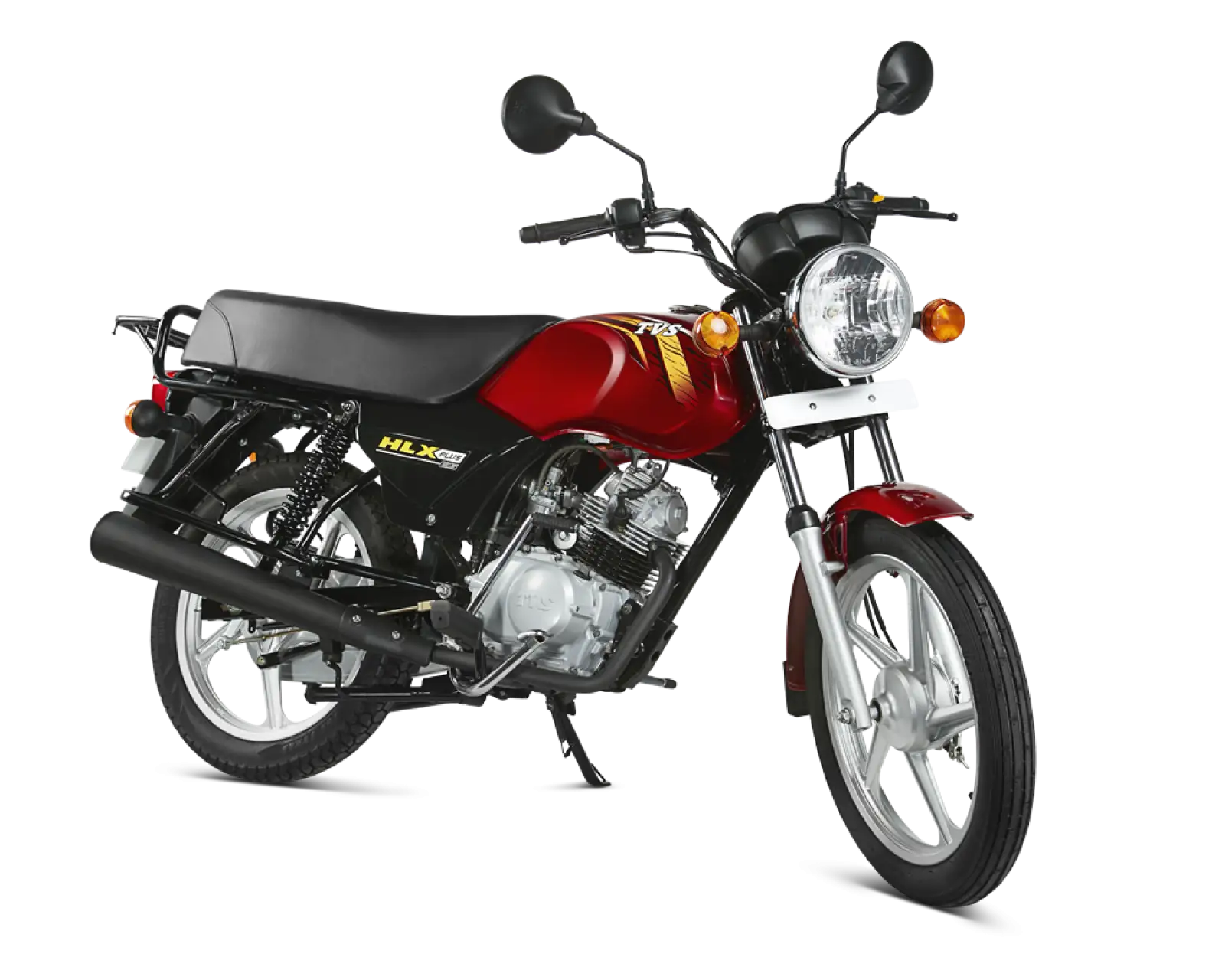
Effective Okada maintenance isn’t just about avoiding a breakdown in the middle of a bridge; it’s about safety, fuel efficiency, and protecting your investment. With the Nigerian two-wheeler market projected to hit USD 1.65 billion by 2030, more people are turning to brands like Bajaj, Honda, TVS, and even new electric models like REVOO. This guide provides actionable, expert-backed tips to keep your "machine" running smoothly on Nigerian roads.
Why Professional Motorcycle Maintenance Matters in the Tropics
Evidence suggests that consistent motorcycle maintenance like simple things like oil changes and tire inspections can reduce unexpected breakdowns by up to 50% in tropical climates. In Nigeria, where temperatures often exceed 30°C, fluids evaporate faster and rubber degrades quicker. Furthermore, motorcycles are unfortunately involved in nearly 27% of national traffic accidents. Proper Okada maintenance, specifically regarding brakes and tires, is a direct intervention against these statistics, potentially saving lives while saving you money on major engine repairs.
The Daily Walkaround
Before you "kick-start" or hit the ignition, perform a quick walkaround. This habit is the foundation of good motorcycle maintenance and prevents minor issues from becoming catastrophic failures.
-
Check for Leaks: Look under the bike for spots of oil or fluid. A small leak today is a seized engine tomorrow.
-
Test the "Essentials": Ensure your horn, headlight, and indicators are working. In poorly lit suburban areas, being seen is just as important as seeing.
-
Tire Pressure: Use your hand or a gauge. In the Nigerian heat, tires expand. Aim for manufacturer specs—typically around 24 PSI for the front and 28 PSI for the rear for popular models like the Bajaj Pulsar or Honda CG.
-
Cables and Controls: Squeeze the brake and clutch levers. They should feel firm, not "spongy" or loose. Regular inspection of these controls is a critical part of Okada maintenance.
Monthly Routines for Rugged Motorcycle Maintenance
If you are riding 100km to 200km daily as a commercial rider, your monthly Okada maintenance checklist is your "Health Insurance."
1. The Chain
Dust from untarred roads is the number one enemy of your chain. To maintain peak performance, clean it with kerosene and lubricate it with dedicated chain lube every 500km. If you’re in a dusty northern region, your motorcycle maintenance schedule might require you to do this weekly. A dry, rusty chain can snap, locking your rear wheel and causing a dangerous fall.
2. Air Filters
During the Harmattan season, the air is thick with fine dust. A clogged air filter can reduce your engine's power by up to 20% and increase fuel consumption. Part of your regular Okada maintenance should include cleaning your filter every 1,000km and replacing it if it looks excessively dark or damaged.
3. Oil: The Lifeblood of Motorcycle Maintenance
Don't wait for the engine to start making "knocking" sounds. Change your engine oil every 2,500km to 5,000km. In Nigeria's extreme heat, motorcycle maintenance experts recommend using high-viscosity oil specifically designed for tropical climates to prevent the oil from becoming too thin to lubricate moving parts.
Seasonal Considerations
Nigeria’s weather requires different motorcycle maintenance strategies depending on the time of year.
-
The Rainy Season (May–October): Moisture leads to rust. Wash your bike frequently to remove mud, and apply anti-rust sprays to the chain and exhaust. Be extra vigilant with your Okada maintenance regarding brakes; wet rotors have less grip, so always test them after riding through a deep puddle.
-
The Dry Harmattan: This is the season of dust and battery issues. Clean your battery terminals with a baking soda solution to prevent corrosion from dust buildup. For the newer electric bikes appearing in cities, like Yadea or REVOO, keep a close eye on battery charge levels as extreme heat can slightly impact discharge rates.
Troubleshooting Common Okada Maintenance Problems
Even with the best care, things can go wrong. Here is a quick reference for common motorcycle maintenance issues:
| Problem | Likely Cause | Fix/Prevention |
| Engine Overheating | Low coolant or old oil | Check levels weekly; flush system annually. |
| Chain Slippage | Dust buildup or loose tension | Lubricate bi-weekly; adjust tensioners. |
| Brake Fade | Worn pads or air in lines | Replace pads if under 2mm; bleed lines. |
| Hard Starting | Clogged fuel filter or dirty plug | Use fresh fuel; clean spark plug monthly. |
The Safety Connection in Okada Maintenance
We cannot talk about motorcycle maintenance without talking about the rider. Over 57% of motorcycle injuries in Nigeria are head-related, yet helmet usage remains low. A well-maintained bike is useless if the rider isn't protected. Always wear a high-quality helmet and reflective gear. Ensure your mirrors are adjusted so you can see the "yellow buses" and trucks coming from behind. Okada maintenance isn't just a mechanic's job—it's a mindset that includes rider safety.
Where to Find Help and Genuine Parts
The Nigerian market is unfortunately flooded with substandard "fake" parts, making quality motorcycle maintenance difficult. To ensure your bike lasts:
-
Source Wisely: Buy genuine parts from authorized dealers like Hero (Kewalram), TVS, or Bajaj outlets. Markets like Alaba in Lagos or specialized zones in Kano have genuine distributors if you know where to look.
-
Verify Your "Rewire": Local mechanics (often called "rewires" for electrical issues) are affordable and skilled, but ensure they have experience with your specific brand for proper Okada maintenance.
-
Professional Servicing: For complex issues like valve adjustments or electrical system faults, take your bike to an authorized service center every 2,500km for comprehensive motorcycle maintenance.
Conclusion
Maintaining your motorcycle in Nigeria is an investment, not an expense. By following this foundation of motorcycle maintenance and Okada maintenance daily checks, monthly cleaning, and seasonal adjustments you ensure that your bike remains a reliable partner in your daily hustle. A well-oiled machine uses less fuel, stays on the road longer, and most importantly, keeps you safe.
Ready to upgrade your ride or find genuine parts? Visit Marketplace Naija to browse the latest listings for motorcycles and accessories from verified sellers across the country. Ride safe!