Motorcycle Prices in Nigeria: Ultimate Buyer’s Guide to Brands, Models, and Trends
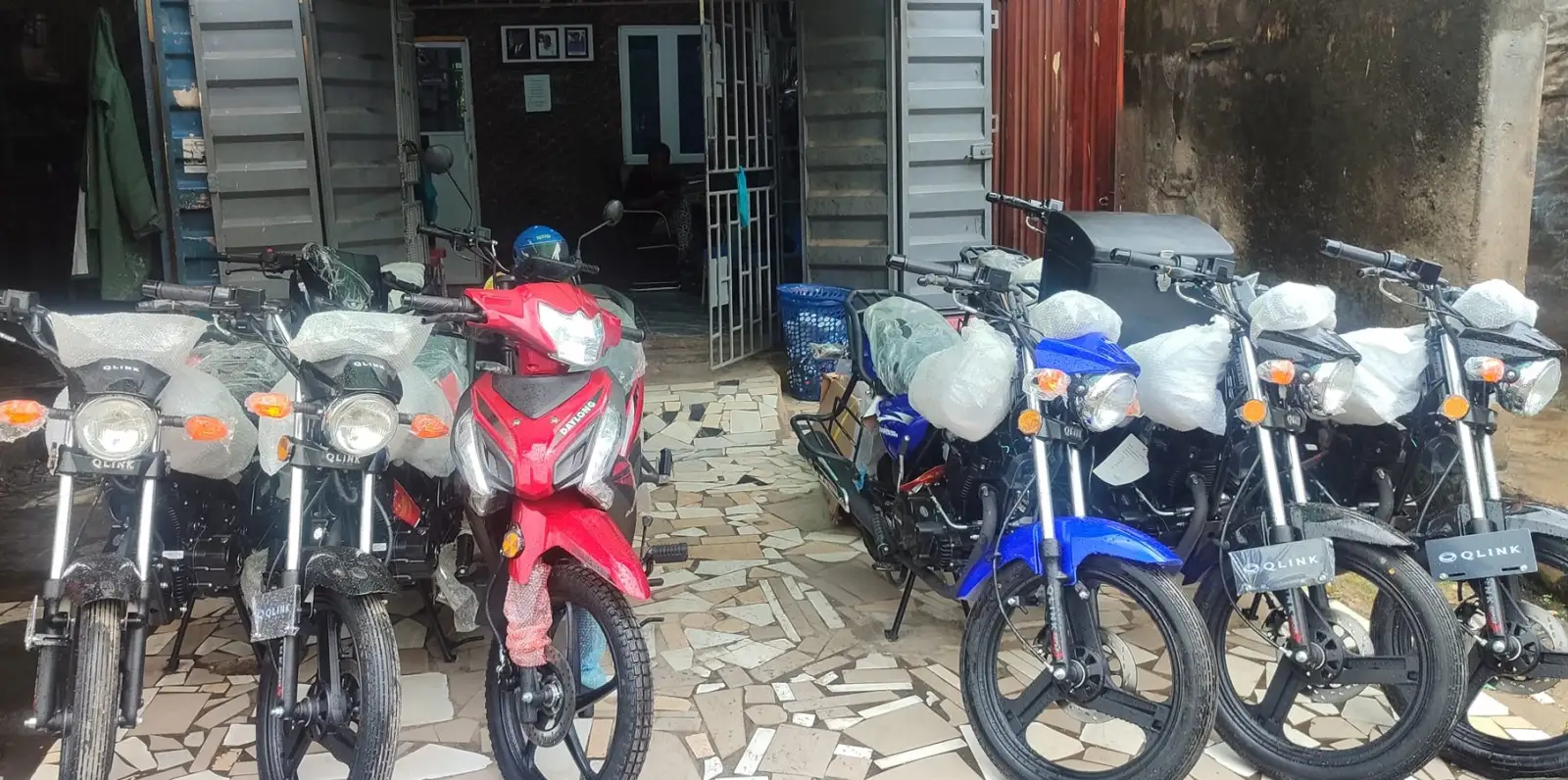
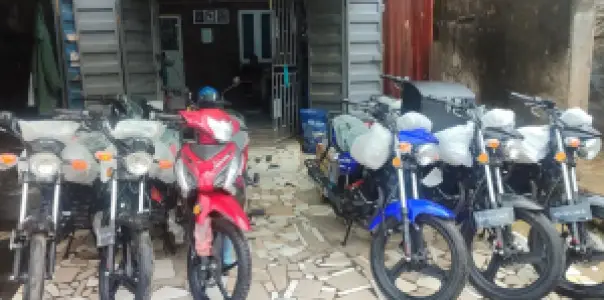
In the bustling streets of Lagos, the expansive terrains of the North, and the commercial hubs of the East, one sound remains constant: the rhythmic thrum of a motorcycle engine. For millions of Nigerians, motorcycles popularly known as Okadas are more than just a means of transport; they are the backbone of the economy. They provide the agility needed to bypass grueling traffic congestion, the durability to navigate rural paths, and a source of livelihood for hundreds of thousands of delivery riders and transporters.
As we navigate through late 2025 and look toward 2026 and beyond, the motorcycle market in Nigeria is undergoing a fascinating transformation. Influenced by shifting economic policies, the volatile strength of the Naira, and a global push toward sustainability, prices and consumer preferences are in a state of constant flux. Whether you are a business owner looking to expand your delivery fleet, a commuter seeking an affordable alternative to rising car prices, or an enthusiast interested in the burgeoning electric bike scene, understanding the current price landscape is essential.
The Nigerian Motorcycle Market
The motorcycle sector in Nigeria is a multi-billion dollar industry. Projections suggest that the industry will generate approximately US$1.28 billion in revenue by the end of 2025, with steady growth expected through 2030. This growth is fueled by Nigeria’s rapid urbanization and the limitations of existing public transport infrastructure. In cities where "traffic" is a standard part of the daily vocabulary, the two-wheeler offers an unrivaled solution for personal and commercial mobility.
Currently, the market is defined by a mix of traditional internal combustion engine (ICE) powerhouses like Honda and Bajaj, alongside an emerging segment of electric vehicles (EVs). While inflation remains a recurring theme in any Nigerian economic discussion, recent reforms and a relative stabilization of the Naira have actually seen prices for some popular models drop from their mid-2024 peaks.
Breaking Down Prices by Brand and Model
When it comes to motorcycles in Nigeria, four names dominate the conversation: Bajaj, Honda, TVS, and Hero. These brands have built a reputation for durability and ease of maintenance, which is critical in a market where bikes are often pushed to their mechanical limits.
1. Bajaj: The King of Commercial Durability
Bajaj is arguably the most recognizable motorcycle brand in Nigeria, particularly favored by commercial riders for the "Boxer" series. These bikes are known for their fuel efficiency and the abundance of spare parts across the country.
-
Bajaj 110: Currently retailing around ₦1,320,000, this is a staple for heavy-duty commercial use.
-
Bajaj Boxer 100 Series: Prices for new units range from ₦350,000 to ₦600,000 for entry-level variants, while the Freedom 125 (a newer entrant) is estimated at ₦1,100,000.
-
Why buy? If you prioritize a high resale value and a bike that any local mechanic can fix, Bajaj is the top choice.
2. Honda: The Standard of Reliability
Honda has maintained a 27% unit sales share in Nigeria, reflecting a deep trust in Japanese engineering. From premium performance bikes to reliable commuters, Honda offers a wide range.
-
Honda CG 125: A legendary model in Nigeria, typically priced between ₦450,000 and ₦700,000.
-
Honda NS150LA: A sleek, modern option priced at ₦819,150.
-
Premium Segment: For those seeking high-performance, the Honda CB1000GT can reach upwards of ₦5,711,190, representing the luxury tier of the market.
3. TVS and Hero: The Reliable Challengers
TVS and Hero have carved out significant niches by offering robust bikes at competitive prices. TVS is particularly favored for its strength in commercial applications.
-
TVS HLX Series: The HLX+ KS/ES models are currently priced between ₦400,000 and ₦650,000. The Neo NX 2025 model sits higher at ₦1,300,000 to ₦1,490,000.
-
Hero Hunter 100: Hero motorcycles are praised for their affordability and excellent after-sales support, with the Hunter series priced competitively between ₦400,000 and ₦600,000.
The Electric Revolution: REVOO and the Future
One of the most exciting trends in 2025 is the rise of electric motorcycles. Brands like REVOO and Spiro are setting up assembly plants in Nigeria, targeting a future where high fuel prices are no longer a burden for riders.
-
Pricing: Entry-level electric bikes like the REVOO A11 start around ₦900,000, while high-performance models like the "Hulk Bike" can cost up to ₦4,700,000.
-
The Benefit: While the initial purchase price is high, the operating costs are incredibly low estimated at just ₦70 daily for charging. This makes them an attractive long-term investment for delivery companies.
Price Summary Table (Late 2025 Estimates)
| Category | Typical Price Range | Popular Models |
| Entry-Level (New) | ₦300,000 – ₦800,000 | Bajaj Boxer, Honda CD-70, Hero Hunter |
| Mid-Range (New) | ₦800,000 – ₦1,800,000 | Bajaj 110, TVS Neo NX, Qlink Champion |
| Premium / Performance | ₦2,000,000 – ₦5,700,000+ | Honda CB1000GT, Custom Hulk (Electric) |
| Used (London/Local) | ₦500,000 – ₦1,400,000 | Various on Marketplace Naija |
Factors Influencing Motorcycle Prices in Nigeria
Buying a motorcycle in Nigeria isn't just about the sticker price; several factors influence what you eventually pay at the dealership:
-
Naira-Dollar Exchange: Since most bikes or their parts are imported, a stronger Naira leads to price drops, as seen recently with Bajaj bikes falling from ₦1.2m to ₦750k in some regions.
-
Import Duties and Logistics: Tariffs can add 20-30% to the cost. Furthermore, a bike bought in Lagos might be more expensive than one in the North due to high demand and logistics costs.
-
Fuel and Maintenance Costs: As fuel prices rise, the demand for fuel-efficient or electric bikes increases, which can temporarily drive up their market price.
-
Regulations: Bans on motorcycle taxis in major cities like Lagos often shift demand toward personal use or regulated delivery bikes, affecting the types of models available.
Safety and Ownership
Ownership in Nigeria comes with responsibilities. A mandatory 50 km/h speed limit exists in built-up areas, and helmets are non-negotiable for both rider and passenger. Maintenance is also a key consideration. On average, a well-used motorcycle will require ₦50,000 to ₦100,000 annually for upkeep, including oil changes and tire replacements.
Where to Buy Safely
Navigating the market can be tricky, especially with the prevalence of refurbished bikes sold as "brand new." To ensure you are getting value for your money, consider these platforms:
-
Marketplace Naija: This platform is becoming the go-to for comparing prices and finding verified vendors. Marketplace Naija allows you to see real-time price fluctuations and read reviews from other local buyers.
-
Official Dealerships: Buying directly from Honda Nigeria or Bajaj Auto provides the benefit of a manufacturer’s warranty, which is invaluable for peace of mind.
Final Thoughts
Whether you’re eyeing a rugged Bajaj Boxer for a new business venture or the tech-forward REVOO electric bike for eco-friendly commuting, the Nigerian motorcycle market in 2026 offers something for everyone. While the initial cost of ownership has risen over the years, the long-term benefits of mobility and economic independence remain as strong as ever.
Always remember to compare prices on Marketplace Naija and check official listings to ensure you’re getting the best deal in this dynamic, fast-paced market.