Essential Car Maintenance Strategies for Every Nigerian Driver
Owning a vehicle in Nigeria is a significant financial investment that requires a proactive and strategic approach to maintenance. Our driving environment is uniquely demanding, characterized by a mix of legendary traffic congestion in urban centers, infrastructure challenges like deep potholes, and extreme weather patterns ranging from torrential rainy seasons to dust-heavy Harmattan periods. To keep a car running smoothly, safely, and cost-effectively, drivers must look beyond standard manufacturer manuals and adapt their care routines to the local reality.
Maintaining a car in this context isn’t just about fixing things when they break; it’s about a preventive maintenance culture that shields your engine from high heat and protects your suspension from the "highways of horror." This guide outlines the essential maintenance pillars every Nigerian driver should follow to ensure their vehicle remains a reliable asset for years to come.
The Fundamentals
In the tropical heat of Nigeria, your car’s fluids are its lifeblood. High ambient temperatures cause oils and coolants to break down much faster than they would in temperate climates.
Engine Oil and Quality
Research suggests that regular oil changes every 4,000 to 7,000 kilometers are vital for preventing internal engine damage. Because of the prevalence of variable fuel quality and the dust-heavy environment, engine oil becomes contaminated quickly. Using high-quality synthetic oils suited for high temperatures is a wise investment, as they maintain their viscosity longer during those two-hour "go-slows" in cities like Lagos, Abuja, or Port Harcourt.
Cooling Systems and Radiators
Overheating is perhaps the most common cause of roadside breakdowns in Nigeria. Your coolant levels should be inspected monthly. In our climate, the cooling system is under constant strain. Ensure you are using the correct coolant-to-water ratio and never use plain well water, which contains minerals that lead to buildup and radiator corrosion. A biennial flush of the radiator is recommended to remove rust and scale that can clog the narrow passages required for heat exchange.
Brake and Transmission Fluids
Often overlooked, these fluids are critical for safety. High humidity in coastal areas can cause brake fluid to absorb moisture, lowering its boiling point and leading to "spongy" brakes during heavy traffic. Similarly, transmission fluid should be checked for color and smell; if it appears burnt or dark, a change is necessary to prevent expensive gearbox failures.
Air and Cabin Filters
Dust is a silent engine killer. During the Harmattan season, air filters can clog in a matter of weeks. Evidence suggests that replacing your air filter at least twice a year or cleaning it monthly during the dry season drastically improves fuel efficiency and prevents abrasive dust from entering the combustion chamber.
Tires and Suspension
Nigeria’s road infrastructure, marked by alligator cracking and deep ruts, puts immense pressure on a vehicle’s "shoes" and "legs."
Tire Pressure and Safety
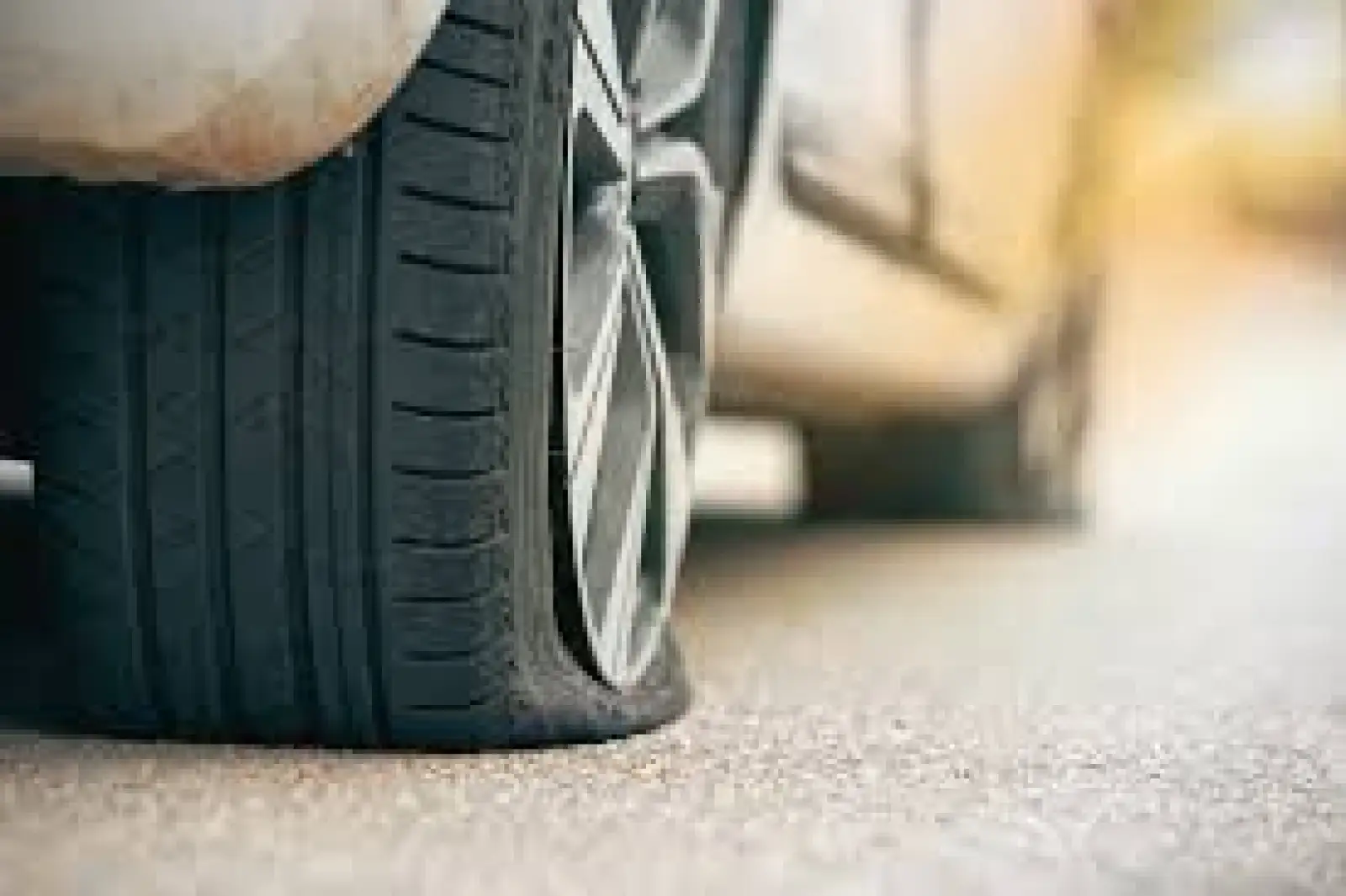
Checking your tire pressure weekly is one of the simplest yet most effective safety habits you can adopt. Under-inflated tires are prone to blowouts when hitting potholes at high speeds, and they can increase fuel consumption by up to 10%. Conversely, over-inflated tires provide less grip on wet roads during the rainy season. Always check your pressure when the tires are "cold" for an accurate reading.
Alignment and Rotation
Given the frequency of pothole impacts, wheel alignment and balancing should be performed every 10,000 kilometers. If your car "pulls" to one side, it’s a sign that the suspension has taken a hit. Regular tire rotation ensures even wear across all four tires, extending their lifespan and saving you from the high cost of premature replacement.
Electrical Health and Battery Care
The intense heat of the Nigerian sun is a primary enemy of automotive batteries. High temperatures accelerate the chemical reactions inside a battery, leading to overcharging and internal corrosion.
Battery Terminals and Charging
Corrosion on battery terminals (that white, crusty buildup) can prevent your car from starting and put extra strain on the alternator. Clean these terminals monthly with a mixture of baking soda and water. Additionally, ensure your alternator is charging correctly; a failing alternator in Nigeria’s traffic can leave you stranded with a dead battery in the middle of a busy expressway.
The Braking System
Brake pads wear out faster in urban Nigerian environments due to "stop-and-start" traffic. Listen for squealing or grinding noises, which indicate that the pads are thin. Neglecting brake pad replacement can lead to damaged rotors, which are far more expensive to replace.
Seasonal Strategies: Rain and Dust
A truly evergreen car maintenance plan accounts for the dramatic shift in Nigeria's seasons.
The Rainy Season (April – October)
Visibility is the primary concern during the heavy downpours that characterize the middle of the year. Inspect your wiper blades at the start of the season; if they leave streaks, replace them immediately. Check that all external lights, especially fog lights and hazards are functioning. It’s also the time to ensure your tire treads are deep enough to disperse water and prevent aquaplaning on flooded streets.
The Harmattan Season (November – March)
This season is defined by fine Saharan dust that invades every crevice of your vehicle. Beyond the engine air filter, pay attention to your cabin's AC filter to maintain air quality inside the car. Frequent car washes are necessary during this time, not just for aesthetics, but to prevent the abrasive dust from scratching the paintwork and clogging the windshield washer nozzles.
The Real Cost of Maintenance
Budgeting for car maintenance in an environment with high inflation and fluctuating spare part prices is essential for financial sanity. For most sedan owners, a realistic annual maintenance budget falls between ₦300,000 and ₦700,000, depending on the vehicle's age and mileage.
Annual Maintenance Estimate (Average Sedan)
-
Routine Services (₦150,000 – ₦300,000): This covers the essential basics, including approximately three to four oil changes per year and one comprehensive major service to keep the engine running efficiently.
-
Tires and Alignment (₦80,000 – ₦150,000): Budgeting for this ensures you can handle regular wheel alignment, balancing, and the partial replacement of tires worn down by rough road surfaces.
-
Repairs and Parts (₦100,000 – ₦400,000): This fund is set aside for the inevitable wear and tear on suspension parts, brake pads, and battery replacements necessitated by the harsh driving environment.
-
Licensing and Fees (₦40,000 – ₦90,000): These are the mandatory legal costs required to stay on the road, including roadworthiness certificates, insurance premiums, and various government taxes.
-
Total Annual Budget (₦370,000 – ₦940,000): While the final amount varies based on your vehicle's specific condition and age, this total represents a realistic range for keeping a vehicle in top shape throughout the year.
Common Problems and Local Solutions
Dealing with Poor Fuel Quality
Adulterated fuel can lead to clogged injectors and "knocking" sounds in the engine. To combat this, stick to high-turnover, reputable filling stations. Using a fuel injector cleaner additive every few months can help dissolve deposits and maintain engine performance.
Suspension Fatigue
If your car feels "bouncy" or you hear clunking noises over bumps, your shocks or bushings likely need attention. Because of the road conditions, Nigerian drivers should expect to replace suspension components more frequently than manufacturers suggest. Always opt for genuine or high-quality "aftermarket" parts to avoid the cycle of frequent, cheap repairs.
Navigating Regulations
Safety isn't just a personal choice; it’s a legal requirement. States like Lagos have rigorous Roadworthiness Inspections (VIS). These checks focus on the essentials: braking systems, steering, suspension, tires, and lights. Keeping your vehicle in top shape doesn't just prevent accidents; it saves you from the frustration and fines associated with failed inspections or roadside checks by the FRSC.
Expert Advice for Long-Term Ownership
-
Keep a Logbook: Document every oil change, tire purchase, and repair. This history is invaluable for troubleshooting recurring issues and significantly boosts the resale value when you’re ready to upgrade.
-
Find a "Specialist" Mechanic: Modern cars are computers on wheels. While a roadside mechanic might be fine for changing a tire, specialized diagnostic tools are required for modern engines and electrical systems.
-
Avoid "Penny Wise, Pound Foolish" Repairs: It is tempting to buy cheap, unbranded parts in local markets, but these often fail prematurely, sometimes causing damage to other expensive components.
Final Thoughts
In the end, car maintenance in Nigeria is about respect, respect for your investment, respect for your safety, and respect for the road. By maintaining a disciplined schedule, you can navigate the complexities of our environment with confidence. A well-maintained car doesn't just get you from point A to point B; it provides a sense of security and reliability that is priceless in the hustle and bustle of Nigerian life.
Stay roadworthy, stay safe!