
Kitchen Essentials for New Homes
Moving into a new home in Nigeria is an exhilarating milestone. Whether it’s a cozy apartment in Surulere, a spacious duplex in Lekki, or a family home in the heart of Abuja, the kitchen is undoubtedly the soul of the household. It is the place where the aroma of party jollof begins, where the morning tea is brewed, and where the family gathers to "gist" while pounding yam or picking beans. It is a space that demands both warmth and high-level functionality.
However, setting up a kitchen from scratch can be overwhelming. Between the erratic power supply, the specific requirements of our diverse local cuisine, and the rising cost of quality goods, you need a plan that balances efficiency with durability. If you are starting your journey, you can find a wide variety of options at Marketplace Naija, where quality meets affordability for the Nigerian shopper.
In this guide, we break down the essential appliances, cookware, and storage solutions every Nigerian home needs. Let’s turn that empty space into a functional culinary sanctuary.
1. Essential Kitchen Appliances
In a Nigerian kitchen, appliances aren't just about convenience; they are about survival and efficiency. Given the reality of "NEPA" (or DisCo) outages, your choices should prioritize reliability and multi-functionality. You can explore a comprehensive range of kitchen appliances designed for the Nigerian environment to get started.
Gas Cooker or Electric Stove
While electric hobs are sleek, a Gas Cooker remains the undisputed king of the Nigerian kitchen. Why? Reliability. You don't want to be halfway through steaming your goat meat only for the lights to go out.
-
Pro Tip: If you can afford it, go for a "dual" or "hybrid" model; three gas burners and one electric hotplate. This gives you the best of both worlds.
Blender & Grinder
Nigerian cooking relies heavily on ata lilo (blended pepper). From the base of your stew to the smoothness of your moin-moin batter, a heavy-duty blender is non-negotiable.
-
What to look for: Seek out blenders with high wattage (at least 600W to 1000W) and a dedicated dry mill grinder for spices like crayfish, egusi, and dry pepper.
Refrigerator & Deep Freezer
Bulk buying is the secret to managing a budget in Nigeria. A standard refrigerator is great for daily items, but a Deep Freezer (chest freezer) is a game-changer. It allows you to buy meat, fish, and seasonal vegetables in bulk from markets like Mile 12, saving you thousands of Naira in the long run.
-
Inverter Technology: Look for appliances with "Inverter" compressors. They handle voltage fluctuations better and consume less power, which is vital when running on a generator or solar system.
Kettle, Microwave, and Rice Cooker
-
Electric Kettle: Necessary for everything from making morning Ogi to boiling water for Eba.
-
Microwave: Essential for reheating leftovers without the hassle of a stove.
-
Rice Cooker: While some swear by the pot method, a rice cooker ensures perfectly fluffy parboiled or basmati rice every time, freeing up a burner for your stew.
2. Cookware: Built for the Heat
Nigerian cooking often involves long simmering times and high heat. Your pots and pans need to be sturdy enough to handle the intensity of a spicy tomato base or the weight of a thick Egusi soup. To find durable pieces, check out the latest kitchenware and cookware available online.
The Stock Pot (The "Everything" Pot)
You need at least two large stock pots. These are the workhorses of the kitchen. You’ll use them for boiling large quantities of rice, preparing liters of stew, or cooking traditional soups like Ogbono, Edikaikong, or Afang. Stainless steel or heavy-gauge aluminum are the most durable options for open-flame gas cooking.
The Pressure Cooker
If you love beans or tough cuts of "cow leg" and "shaki," a pressure cooker is your best friend. It reduces cooking time by up to 70%, which significantly saves on your gas consumption. In an era where gas prices fluctuate, this is a smart financial investment that pays for itself in months.
Frying Pans and Saucepans
-
Frying Pan: You need a good non-stick pan for frying plantains (dodo), eggs, and akara.
-
Saucepan: Ideal for smaller tasks like boiling a few tubers of yam or making a quick portion of noodles.
3. Utensils
Preparation is often the most time-consuming part of Nigerian cooking. Having the right tools makes the process a joy rather than a chore.
Chef’s Knife & Cutting Board
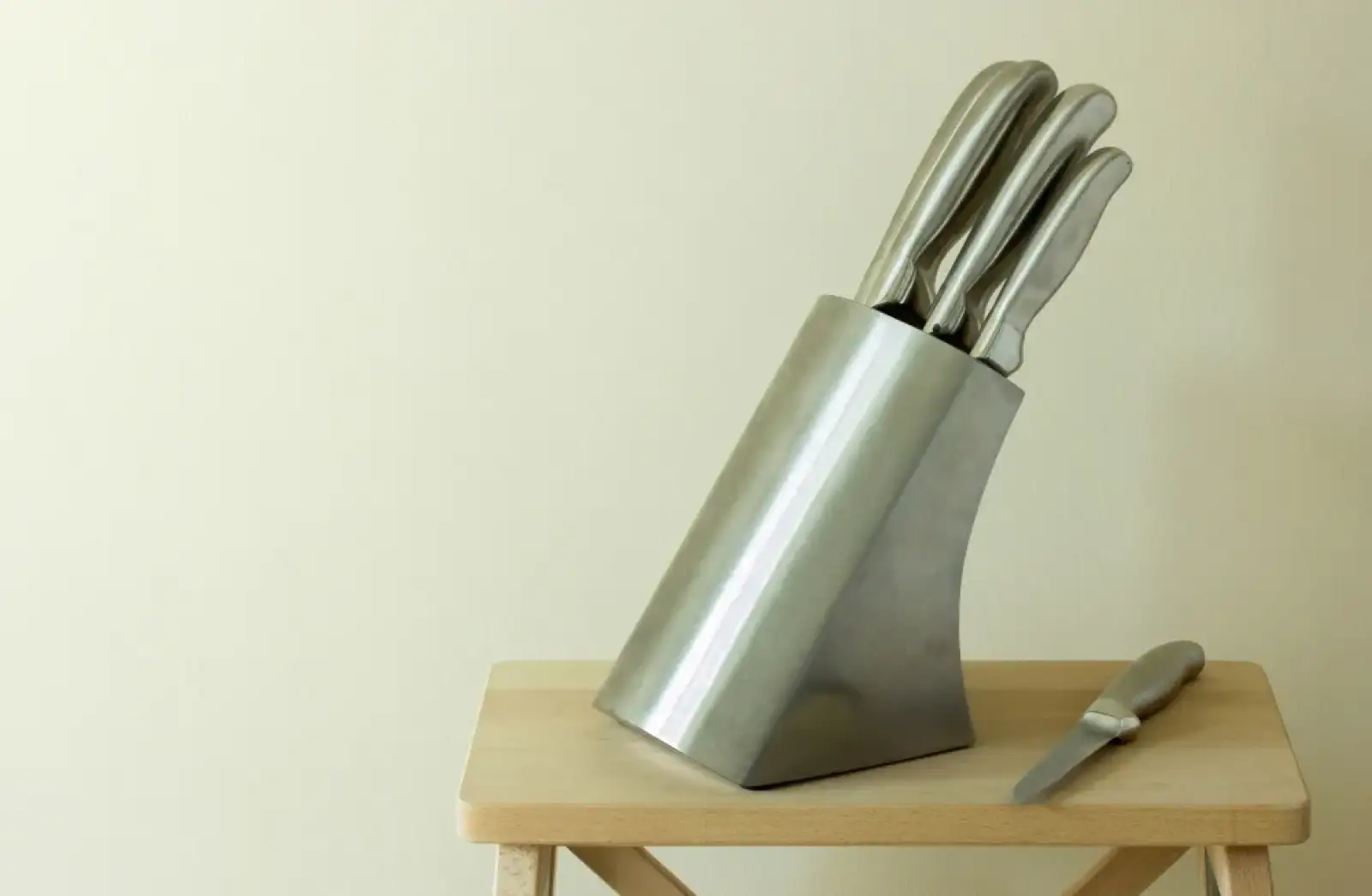
Forget those tiny, serrated table knives for prep work. Invest in a sharp, high-quality Chef’s Knife. Whether you’re dicing onions for your jollof base or cutting through tough chicken joints, a good knife makes the work safer and faster. Pair it with a sturdy wooden or BPA-free plastic cutting board to protect your countertops.
The Traditional Touch: The Wooden Spoon
In Nigeria, we call it the Orogun or Omorogun depending on the size and use, but even a standard sturdy wooden spoon is essential. It’s the only tool that can properly "turn" Amala, Semovita, or Pounded Yam without snapping or scratching your expensive non-stick pots.
Serving Essentials
-
Ladles: Deep ladles are a must for serving soups and stews.
-
Turners/Spatulas: For flipping your yam fries or fried fish.
-
Measuring Tools: If you’re venturing into baking or trying to follow precise recipes, a set of measuring cups and spoons is a wise addition.
4. Storage & Hygiene
Nigeria’s tropical climate means food can spoil quickly if not handled correctly. Organization is also key to a stress-free cooking environment. Beyond just pots and pans, general furniture and home appliances play a huge role in how you organize your kitchen space.
Food Storage Containers
Invest in a set of airtight containers. Glass is preferable for long-term storage as it doesn't retain the smell or stains of spicy stews, but high-quality plastic is perfect for the freezer. Labeling your containers can save you from the "frozen soup lottery" where you think you're defrosting stew but end up with pepper soup!
The Spice Rack
Nigerian cuisine is a symphony of spices. Curry, thyme, bouillon cubes, bay leaves, nutmeg, and ginger, keep them organized. A spice rack or a set of uniform jars near your cooker will make you feel like a professional chef and keep your pantry tidy.
Gas Safety
Your Gas Cylinder is a critical component. For a new home, we recommend starting with a 12.5kg cylinder. It’s the perfect balance between capacity and portability. Always ensure your cylinder is kept in a well-ventilated area and check the hose regularly for leaks.
Waste Management
A sturdy Trash Bin with a tight-fitting lid is essential to keep pests and odors at bay. In a busy kitchen, a pedal-operated bin is the most hygienic choice, especially when your hands are messy from prepping fish or poultry.
5. Beyond the Basics
While the essentials cover your daily needs, modern Nigerian homes are increasingly adopting "smart" kitchen gadgets to save time.
-
Yam Pounder/Food Processor: If you love pounded yam but hate the physical labor, a dedicated food processor or pounding machine can save you hours.
-
Air Fryer: A relatively new addition to many Nigerian homes, this is perfect for those looking to enjoy dodo or fried fish with less oil, promoting a healthier lifestyle without sacrificing taste.
-
Toaster and Sandwich Maker: Ideal for those busy Monday mornings when you need a quick breakfast before heading into the Lagos or Abuja traffic.
Budgeting and Shopping Tips for the Smart Homeowner
Setting up a kitchen is an investment, but it doesn't have to break the bank. Here is how to shop smart:
-
Prioritize Quality: It is tempting to buy the cheapest blender or pot, but in the world of appliances, you often get what you pay for. A high-quality blender might cost more upfront but will last five years, whereas a cheap one might burn out after three months of grinding beans for Akara.
-
Market vs. Online: For authentic cookware and bulk items, local markets offer great deals if you know how to haggle. However, for electronics and branded appliances, shopping online provides the convenience of doorstep delivery and the security of manufacturer warranties.
-
Phase Your Purchases: You don't need everything on day one. Start with the "Big Four": Cooker, Blender, Fridge, and a good Stock Pot. You can add the microwave, pressure cooker, and fancy spice racks as your budget allows over the first few months in your new home.
Conclusion
A well-equipped kitchen is the foundation of a happy Nigerian home. By focusing on durable cookware, reliable appliances that can withstand power issues, and smart storage solutions, you’re setting yourself up for years of delicious meals and warm memories. Whether you are cooking for one or hosting a large family gathering for Christmas, having the right tools makes all the difference.
Ready to start your journey? We invite you to explore the wide selection of home goods at Marketplace Naija to find everything you need to cook like a pro in your new home.
Happy cooking, and welcome to your new kitchen!