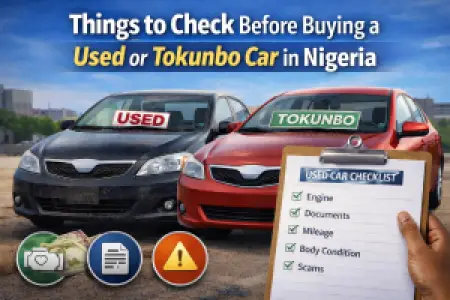
Essential Guide In Buying a Used Car in Nigeria
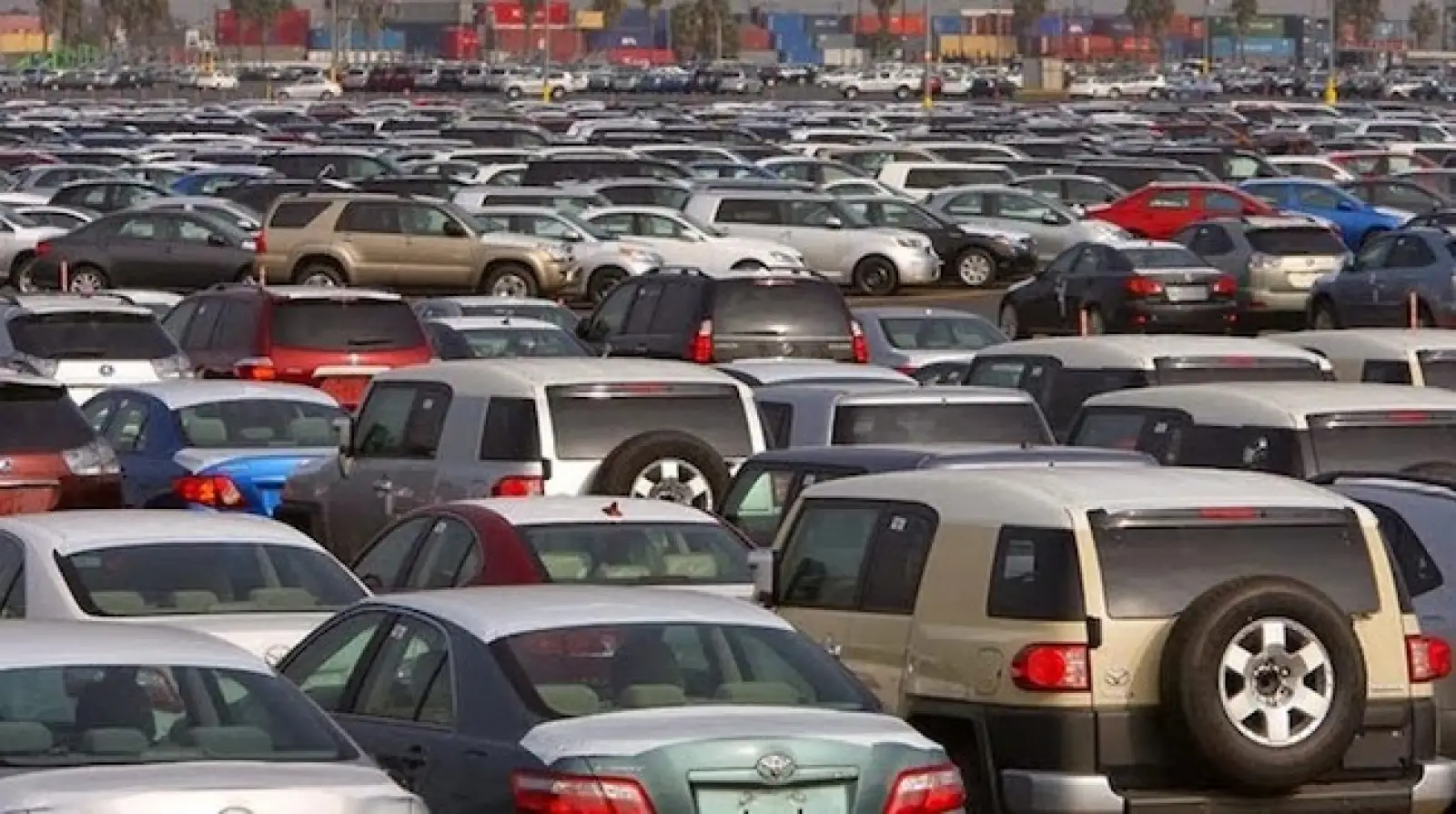
Buying a used car in Nigeria is often a necessity rather than a luxury. With the soaring costs of brand-new vehicles due to high import duties, inflation, and a fluctuating exchange rate, the pre-owned market has become the go-to for most Nigerians. Whether you are looking for a reliable "Tokunbo" (foreign-used) import or a more affordable "Nigerian-used" vehicle, the process is filled with potential landmines. From hidden mechanical failures and flood damage to legal nightmares involving stolen property or incomplete customs papers, the risks are real.
At Marketplace Naija, we want you to drive away with a smile, not a headache. If you are eyeing a Toyota Camry in the bustling streets of Lagos or a Honda Accord in Abuja, this deep dive will provide you with the tools to inspect like a pro and negotiate like a veteran. For those ready to begin their search, you can browse a wide selection of vehicles currently available on our platform.
Understanding the Nigerian Used Car Landscape
Before you even step into a dealership or meet a private seller, you must understand the two primary categories of used cars in Nigeria. First, there are "Tokunbo" cars. These are foreign-used vehicles, usually imported from the United States, Europe, or Asia. While they often arrive in better cosmetic condition than local cars, they carry a hidden history. Many Tokunbo cars sold at ports like Tin Can Island were actually "salvage" titles abroad vehicles written off due to accidents or, increasingly, hurricane-related flood damage.
Second, we have "Nigerian-used" cars. These are vehicles that have already spent time on Nigerian soil. While they are usually cheaper, they have endured the harsh reality of Nigerian roadspotholes, extreme heat, and often, inconsistent maintenance schedules. Many Nigerian-used cars have also been "stretched" through commercial use as "kabu-kabu" (unregistered taxis). Your goal is to distinguish between a well-maintained gem and a polished piece of scrap metal. If you're looking for specifically tailored options, checking our list of cars can help you narrow down your choices between these two categories.
Phase 1: The Digital Pre-Inspection
The most common mistake buyers make is falling in love with a car’s shiny exterior before checking its history. Before you travel to see a car, ask the seller for the Vehicle Identification Number (VIN). This 17-digit code is usually found on the driver’s side dashboard or the door frame.
In Nigeria, several services help you uncover a car’s past. AutoVIN Nigeria is excellent for checking accidents, salvage titles, and the dreaded odometer fraud, where sellers roll back the mileage to make a car seem "younger." LegitCar offers local reports and integrates with Carfax for imports. Additionally, platforms like Autocheck Nigeria provide customs verification, which is vital to ensure the car wasn't smuggled into the country, a situation that could lead to seizure by the Nigeria Customs Service. If a seller refuses to give you the VIN, consider it a massive red flag and walk away immediately.
Phase 2: The Visual and Exterior Check
Always conduct your inspection during broad daylight. Rain or evening shadows can easily hide paint mismatches or small dents. Start with the body panels. Look for uneven gaps between the doors, hood, and trunk. If one side of the hood has a wider gap than the other, the car has likely been in a significant collision and was poorly repaired.
Check for rust, especially around the wheel wells and under the door seals. In Nigeria, cars from coastal areas like Port Harcourt or Lagos are more prone to salt-related corrosion. Furthermore, look for "cupped" tires where the tread is worn unevenly. This is a common sign of suspension damage caused by Nigeria’s rough terrain. If the paint looks too new or doesn't quite match the rest of the car, it’s a sign of a recent "touch-up" to hide accident damage or rust. During this phase, it’s worth noting that many buyers look for vehicle parts and accessories to replace minor cosmetic issues or worn-out tires after a purchase.
Phase 3: The Interior and "Flood" Test
When you open the door, let your nose do the talking. A musty, earthy smell is a classic indicator of water damage or a leaking sunroof. Given that many Tokunbo cars come from flood-prone regions in the US, this is a critical check. Feel the carpets; if they are damp or have white salt stains, the car might have been submerged.
Next, check the dashboard. In popular models like the 2007–2012 Toyota Camry, the dashboard is known to "melt" or become sticky due to the intense Nigerian sun. While this is often cosmetic, it can be expensive to fix. Test every single electronic component. Does the AC blow ice-cold within a minute? In our climate, a weak AC is a dealbreaker. Do all the windows roll down smoothly? Are there any warning lights on the dashboard? Beware of the "Check Engine" light being covered by black tape, a common trick used by unscrupulous sellers.
Phase 4: Under the Hood and Mechanical Realities
Don't let a clean engine bay fool you. In fact, a "too clean" engine often means the seller just washed away oil leaks. Look for signs of "taped" wires or electrical hacks, which are common when local mechanics try to bypass complex sensors.
Check the fluids. The oil should be honey-colored or black, but never milky (which indicates a blown head gasket). Transmission fluid should be pinkish; if it smells burnt or looks like chocolate syrup, the transmission is on its last legs. This is particularly important for Honda Accords (2008–2012), which are notorious for transmission failures if not perfectly maintained. Another model-specific warning involves the Lexus RX 350 (2010–2015); check the oil cooler line. If it’s still the original rubber hose, it’s a ticking time bomb that can rupture and destroy the engine. It should be upgraded to a metal one.
Phase 5: The Test Drive on Nigerian Roads
Never buy a car without driving it for at least 20 minutes. Don't just drive around the block; take it onto a highway to check high-speed stability and then over some bumpy patches to listen for suspension rattles.
Listen for a "grinding" sound on a cold start, which in many Hondas indicates a faulty VTC actuator. Pay attention to how the gears shift. If the car "jerks" when moving from Park to Drive, or if the RPM flares up between gears, the transmission is failing. In traffic-heavy cities like Lagos, watch the temperature gauge closely. If it starts to climb while idling, the cooling system is inadequate for Nigerian traffic. If you encounter issues during the drive that require a professional eye, exploring automotive services can connect you with experts who can diagnose these specific problems.
Phase 6: Professional Help and Documentation
Even if you feel confident, spending ₦10,000 to ₦20,000 on a professional mechanic’s pre-purchase inspection is the best investment you will ever make. A mechanic can spot "sludge" in the engine or frame welds that an untrained eye will miss.
Once the mechanicals are cleared, demand the paperwork. For a Tokunbo car, you MUST see the original Customs papers. Without these, you risk having the car impounded at a checkpoint. For Nigerian-used cars, ensure you get the proof of ownership, a valid roadworthiness certificate, and the CMR (Computerized Motor Registration). Always verify the seller’s identity and perform the transaction via bank transfer so there is a digital trail. Never pay in cash in a secluded area.
Final Thoughts for the Nigerian Buyer
Negotiation is a part of our culture, and you should use your findings to lower the price. If the tires are bald, that’s at least a ₦60,000 to ₦100,000 deduction. If the AC needs gassing or a new compressor, factor that in. Always keep a "repair fund" of about 15% of the purchase price, because every used car will need some immediate attention, be it an oil change, new spark plugs, or brake pads.
Buying a used car in Nigeria doesn't have to be a gamble. By doing your research on forums like Nairaland, using VIN tracking services, and performing a disciplined physical inspection, you can find a vehicle that will serve you for years. Remember, if a deal looks too good to be true like a 2015 "Full Option" Prado for ₦5 million, it almost certainly is. Stay sharp, be patient, and happy hunting on Marketplace Naija!