
How to Verify Car Papers Before Payment in Nigeria: A Complete Guide
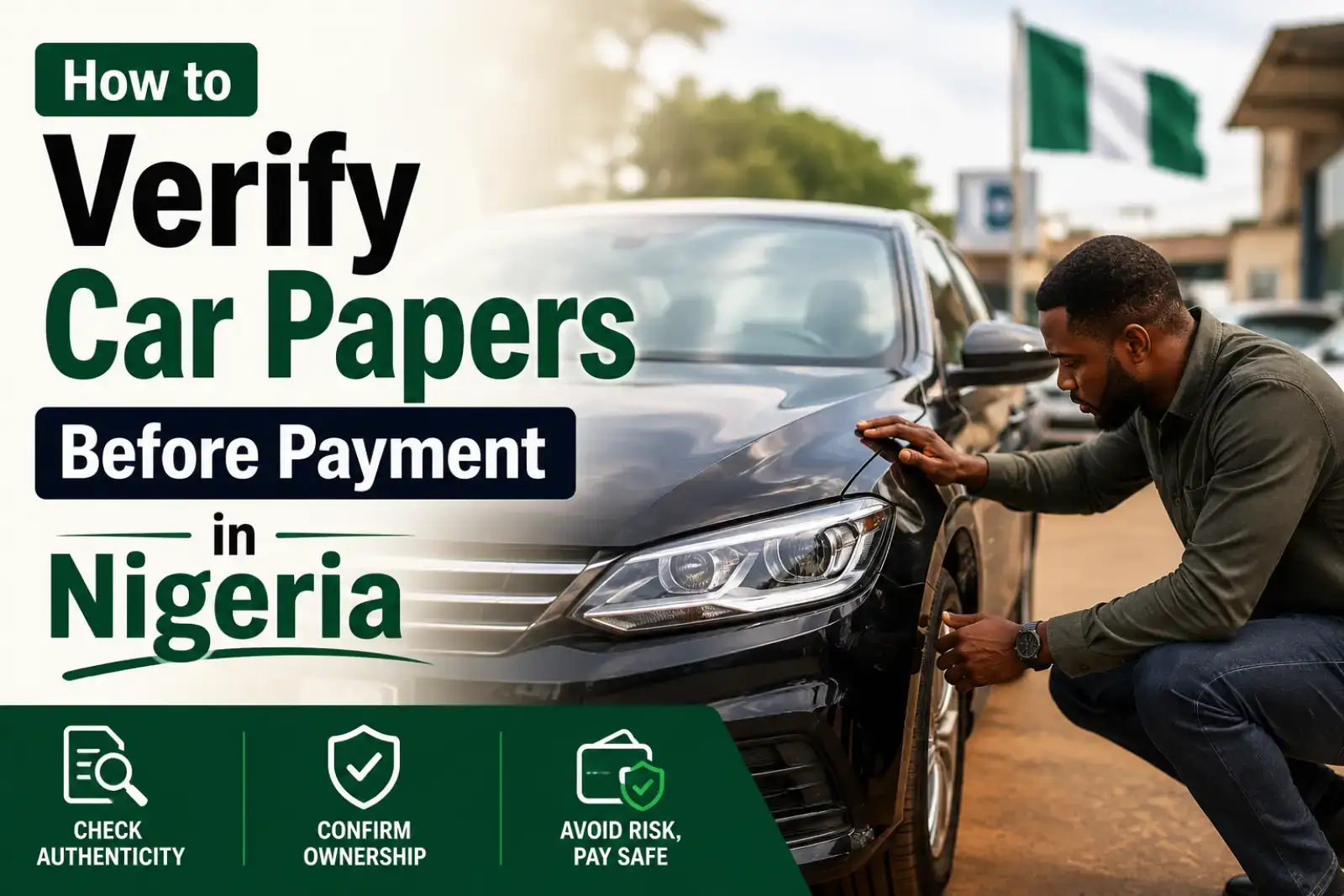
Buying a used car in Nigeria can feel like navigating a minefield. You find a great deal on Marketplace Naija, the car looks pristine, the engine sounds solid, and the price is right. But before you transfer your hard-earned Naira, there is one crucial hurdle you must clear: verifying the car papers.
A shiny exterior can hide a stolen vehicle, a car with unpaid customs duties, or a cloned registration. Handing over payment without thoroughly checking the documentation is a massive risk that could lead to you losing both the car and your money to the authorities.
At Marketplace Naija, we want your car-buying experience to be safe and seamless. Whether you are browsing our extensive selection of cars for sale or have already found your dream ride, this comprehensive guide will walk you through exactly how to verify car papers in Nigeria before making any payment.
Why Verifying Car Papers is Non-Negotiable
Before diving into the "how," let’s emphasize the "why." Failing to verify car documents can result in:
-
Buying a Stolen Vehicle: If you purchase a stolen car, the police will impound it when discovered. You will lose the car, your money, and potentially face questioning for receiving stolen property.
-
Customs Seizure: Many cars are smuggled into Nigeria. If a car doesn't have genuine customs clearance, the Nigerian Customs Service (NCS) can seize it at any checkpoint.
-
Cloned Vehicles: Scammers sometimes use the legitimate papers of one car to register a stolen car of the same make, model, and color.
-
Unpaid Fines or Liens: The car might be tied to unpaid fines or even used as collateral for a loan.
Taking the time to verify documents is your only shield against these nightmares.
Essential Car Documents You Must Demand
When inspecting a used car, ask the seller for the following original documents. Never accept photocopies as proof of ownership during the final transaction.
-
Vehicle License: This is the basic registration document issued by the state government (e.g., Lagos State Motor Vehicle Administration Agency - MVAA). It proves the car is legally allowed on Nigerian roads.
-
Certificate of Road Worthiness: Issued by the Vehicle Inspection Office (VIO) or a computerized testing center, this certifies the car is mechanically sound.
-
Proof of Ownership: A crucial document issued by the state government confirming the registered owner of the vehicle.
-
Customs Clearance Documents (C-No): Essential for imported used cars ("Tokunbo"). This proves import duties were paid.
-
Central Motor Registry (CMR) Certificate: A police document that records the vehicle's details and ownership history in a central database.
-
Police Report/Tinted Glass Permit (if applicable): If the car has factory-fitted tinted glasses, the seller must provide the Nigerian Police Force permit.
-
Insurance Certificate: At least a third-party motor insurance certificate is mandatory in Nigeria.
-
Purchase Receipt/Deed of Transfer: A document showing the transfer of ownership from the previous owner (or dealer) to the current seller. If you are buying from the first Nigerian owner of a Tokunbo car, look for the receipt from the dealer.
Step-by-Step Verification Process
Now that you have the documents in hand, here is how to authenticate them.
1. The Physical Inspection: Match the Details
Before using any online portals, perform a physical check. This is your first line of defense against cloned papers.
-
Locate the VIN/Chassis Number: Every car has a 17-character Vehicle Identification Number (VIN), also known as the Chassis Number. You can usually find it on the dashboard near the windshield, on the driver's side door jamb, or under the hood.
-
Cross-check Everything: The VIN on the car must match the VIN printed on all the documents (Vehicle License, Proof of Ownership, Customs papers, Insurance). Even a single mismatched digit is a massive red flag.
-
Check the Engine Number: While harder to locate, the engine number on the block should also match the documents. (Note: Engine replacements do happen, but they should be documented).
-
Verify the Number Plate: Ensure the physical license plate matches the number on the Vehicle License and Proof of Ownership.
2. Verify the Vehicle License (Lagos State Only)
If you are buying a car registered in Lagos State, you are in luck. The Lagos State Motor Vehicle Administration Agency (MVAA) provides a robust online verification portal.
-
Visit the MVAA Portal: Go to the official Lagos State MVAA website (mvaa.lagosstate.gov.ng) or use their dedicated verification portal if available.
-
Enter the Plate Number: Input the vehicle's registration number.
-
Analyze the Results: The system should return the vehicle's make, model, color, and the expiration date of the license. Check if these details match the car in front of you and the physical papers.
Note: For cars registered in other states, you may need to visit the local motor licensing office or VIO to verify the registration status physically.
3. Verify Customs Clearance (Crucial for Tokunbo Cars)
The Nigerian Customs Service (NCS) has cracked down heavily on smuggled vehicles. Verifying the Customs papers, often referred to as the "C-No" or SGD (Single Goods Declaration) form, is arguably the most important step for an imported car.
-
The VIN Verification Method: The most reliable way to verify customs duty is directly through the NCS Helpdesk or a verified Customs command. You can often present the VIN and the C-No to an officer to check their database.
-
Beware of Fake "Clearance": Scammers are adept at forging customs documents. Do not just look at the paper; you need independent confirmation that the duty was paid into the Federal Government's account. If the seller is hesitant to let you verify with Customs, walk away.
4. Verify Motor Insurance
A fake insurance certificate might seem like a minor issue compared to stolen papers, but it often indicates a seller who cuts corners.
-
Use the NIID Portal: The Nigerian Insurers Association (NIA) manages the Nigerian Insurance Industry Database (NIID).
-
Visit www.askniid.org: Go to the website and select "Check Vehicle Policy."
-
Enter Details: You can search using either the Vehicle Registration Number or the Insurance Policy Number.
-
Confirm Status: The portal will tell you if the insurance is valid, the name of the insurance company, and the vehicle's make and model.
5. Obtain a Police Report (CMR)
The Central Motor Registry (CMR) is a police database designed to track vehicles and combat car theft.
-
Request the CMR Certificate: The seller should provide this. However, it's highly recommended that you take the vehicle's details (VIN, plate number) to a police station with a CMR department before payment.
-
Run a Check: Ask the police to run a check on the vehicle to ensure it hasn't been reported stolen. This step provides immense peace of mind.
6. Do a Background Check on the VIN (Optional but Recommended)
For imported cars, especially those from the USA or Canada, running a VIN check through international databases like Carfax or AutoCheck can be incredibly revealing.
-
What it reveals: While it won't tell you about its Nigerian history, a Carfax report will show if the car was salvaged, flooded, involved in a major accident, or had its odometer rolled back before it was shipped to Nigeria.
-
How it helps: If a seller claims a car is "accident-free Tokunbo" but the Carfax shows it was a total loss in a US flood, you know they are lying, and you should reconsider the deal.
Red Flags to Watch Out For
During the verification process, be on high alert for these warning signs:
-
Pressure to Pay Quickly: If the seller is rushing you and discouraging you from taking time to verify the documents, they likely have something to hide.
-
Refusal to Allow Inspections: If the seller won't let you cross-check the VIN, visit Customs, or run a police check, walk away immediately.
-
"Lost" Documents: If the seller claims key documents like the Proof of Ownership or Customs papers are "lost" and offers an affidavit instead, be extremely cautious. Insist that they replace the original documents before proceeding.
-
Inconsistencies: Even minor typos or mismatched dates across different documents should be investigated.
-
Too Good to Be True Prices: If a relatively new car is being offered at a suspiciously low price on Marketplace Naija, it warrants extra scrutiny. Scammers often use low prices to bait buyers into skipping due diligence.
Protect Your Investment
Buying a car is a significant financial commitment. The excitement of finding the perfect vehicle on Marketplace Naija shouldn't overshadow the critical need for caution.
Verifying car papers in Nigeria requires patience and diligence, but it is the only way to guarantee you are making a safe and legal purchase. By meticulously matching physical details to documents, utilizing online portals like the MVAA (where applicable) and NIID, and insisting on Customs and Police verification, you can confidently finalize your purchase and drive away with peace of mind.
Remember, a legitimate seller will always understand and support your need to verify their vehicle's documents. Never let excitement dictate your payment; let verified paperwork be your green light.