
How to Sell Used Clothes and Fashion Online in Nigeria for Free in 2026
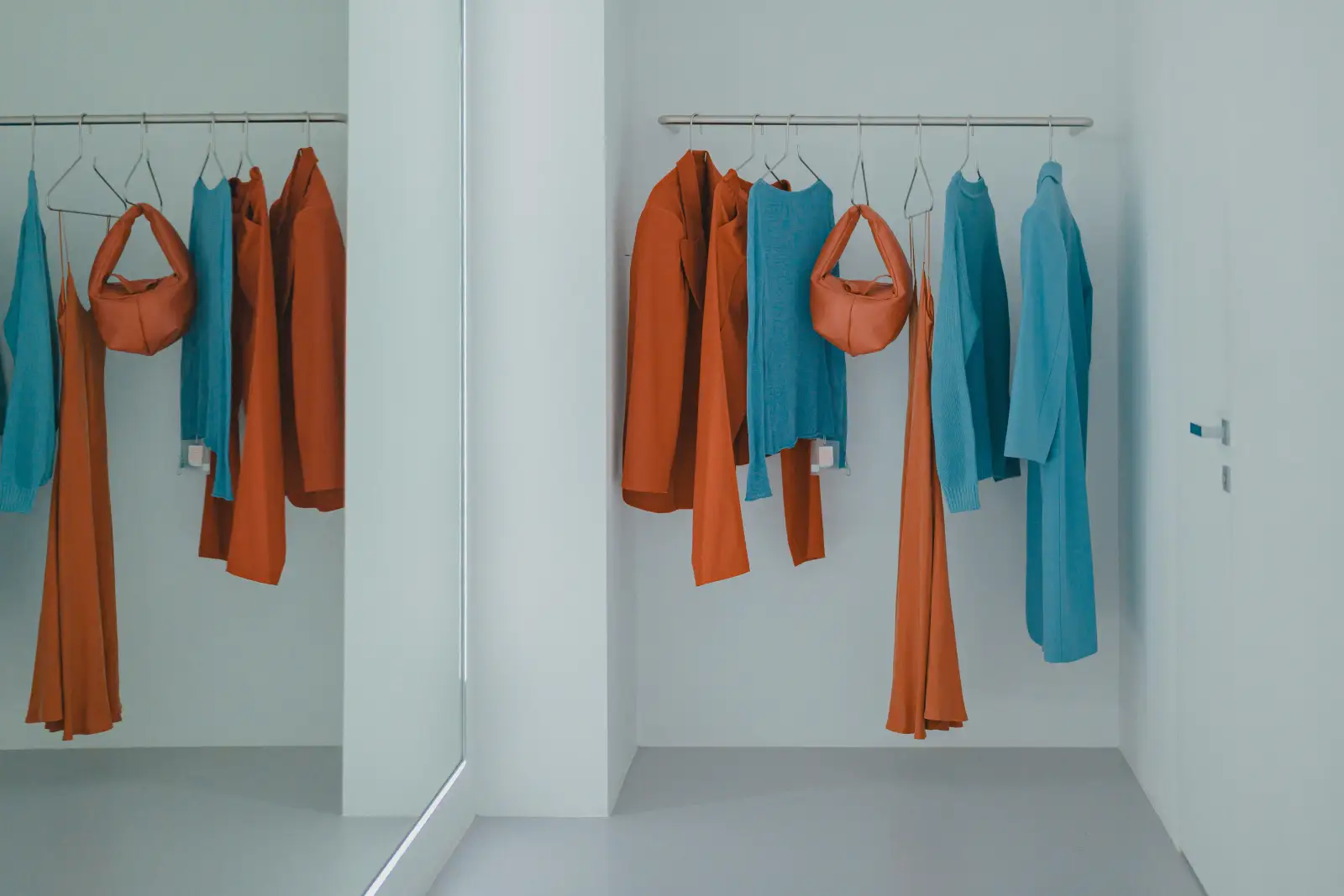
The fashion landscape in Nigeria is evolving rapidly. While the desire for trendy and unique styles remains strong, there's a growing awareness of sustainability and the sheer economic sense of the "thrift" or "okrika" market. With the rising cost of living, many Nigerians are looking for ways to declutter their wardrobes and make extra cash. If your closet is overflowing with items you no longer wear, 2026 is the perfect time to turn those pre-loved garments into profit. The best part? You can do this entirely online and for free.
Selling used clothes and fashion online in Nigeria has never been easier, thanks to accessible digital platforms. Whether you're looking to start a side hustle, fund your next fashion purchase, or simply adopt a more minimalist lifestyle, this comprehensive guide will walk you through the process of successfully selling your used clothes online without spending a dime upfront.
Why Sell Used Clothes Online in Nigeria?
Before diving into the "how," it's worth understanding the "why." The online thrift market in Nigeria is booming for several reasons:
-
Extra Income: This is the most obvious benefit. Those jeans that don't fit quite right or that dress you wore once to a wedding have monetary value.
-
Sustainability: The fashion industry is notoriously wasteful. By reselling your clothes, you are extending their lifecycle, reducing textile waste, and contributing to a more circular economy. It’s an eco-conscious choice.
-
Decluttering: A cluttered physical space can lead to a cluttered mind. Selling unwanted items frees up space in your home and your wardrobe, allowing you to appreciate the pieces you actually wear.
-
High Demand: There is a massive market for affordable, quality clothing in Nigeria. Many shoppers actively seek out thrifted items for unique finds and better deals than fast-fashion retail.
Step 1: Preparation is Key (The Wardrobe Audit)
Success in online selling starts offline. You can't just throw a crumpled shirt on a bed, snap a blurry photo, and expect it to sell. You need to prepare your inventory.
Sort and Select
Be ruthless with your wardrobe. Take everything out and categorize it: Keep, Donate, Sell, and Discard (for items beyond repair).
When selecting items to sell, ask yourself:
-
Is it still in good condition? (No major stains, holes, or broken zippers).
-
Is it a recognizable brand or a trendy style?
-
Would someone else pay money for this?
Focus on quality over quantity. Ten great pieces will sell faster and for more money than thirty mediocre ones.
Clean and Repair
Never sell dirty clothes. Wash and iron every item you plan to list. If there are minor issues—like a loose button or a small, fixable tear—repair them if you can. If an item has a small, unremovable stain but is otherwise excellent, you can still sell it, but you must disclose the flaw clearly in your description. Honesty builds trust with buyers.
Step 2: Taking Photos That Sell
In the world of online shopping, your photos are your storefront. Since buyers can't touch or try on the clothes, the images must do all the heavy lifting. Good photography is crucial.
-
Lighting: Natural light is your best friend. Take photos during the day near a large window. Avoid using the flash on your phone, as it can wash out colors and create harsh shadows.
-
Background: Use a clean, uncluttered background. A plain white wall, a neat wooden floor, or a solid-colored bedsheet works well. The focus should be entirely on the garment.
-
Presentation: Hang the item on a nice hanger or lay it flat on a clean surface. Ensure it looks neat and appealing.
-
Angles: Take multiple photos. Include a full front shot, a full back shot, close-ups of patterns or textures, close-ups of the brand tag (which helps verify authenticity and size), and close-ups of any flaws.
-
Styling (Optional but helpful): If you feel comfortable, modeling the clothes yourself can significantly increase sales. It helps buyers visualize how the item fits and drapes on a real person.
Step 3: Writing Descriptions That Convert
A great photo catches the eye, but a detailed description closes the deal. Don't just write "Blue Dress." Be descriptive and anticipate the buyer's questions.
Your description should include:
-
Brand: If it's a known brand (e.g., Zara, ASOS, H&M, or a popular Nigerian designer), state it clearly.
-
Size: Provide the size on the tag, but also mention how it fits (e.g., "Size Medium, but fits like a Small"). If possible, include basic measurements (length, chest width).
-
Color and Material: Be specific (e.g., "Navy blue silk-blend").
-
Condition: Use standard terms like "New Without Tags" (NWOT), "Excellent Used Condition" (EUC), or "Good Used Condition" (GUC). As mentioned earlier, explicitly state any flaws, no matter how small.
-
Keywords: Think about what someone might type into a search bar to find your item. Include keywords related to the style, era (e.g., "Vintage," "Y2K"), or occasion (e.g., "Office wear," "Party dress").
Step 4: Choosing the Right Free Platforms in Nigeria
Now that your items are ready, where do you sell them? In 2026, Nigerians have several excellent, free platforms at their disposal. Choosing the right one—or a combination of a few—is crucial for visibility.
Dedicated Online Marketplaces
The most efficient way to reach a wide audience actively looking to buy is through established online classifieds and marketplaces in Nigeria. These platforms are designed specifically for buying and selling, offering robust search features and categorized listings.
When using these platforms, it's essential to list your items in the correct category to ensure they are seen by interested buyers. For instance, making sure your listings are placed under the dedicated fashion category significantly increases the chances of a quick sale, as users browsing that section are already looking for clothing and accessories.
These platforms are generally free to use for basic listings. You create an account, upload your photos, add your descriptions, set your price, and wait for buyers to contact you.
Social Media Platforms
Social media is a powerful tool for selling, leveraging existing networks and visual appeal.
-
Instagram: Instagram is highly visual and perfect for fashion. You can create a dedicated "thrift store" page or sell from your personal account using features like Stories and Reels to showcase your items dynamically. Use relevant hashtags (e.g., #ThriftNigeria, #PrelovedLagos, #AbujaThrift) to reach a wider audience.
-
Twitter (X): Twitter is excellent for quick sales and reaching a broader, conversational audience. Threads are particularly useful. You can create a thread listing all your items with photos, prices, and sizes. Using popular hashtags and asking followers to retweet can increase visibility exponentially.
-
Facebook Marketplace & Groups: Facebook Marketplace allows you to list items to people in your local area. Additionally, there are numerous private and public Facebook groups dedicated to buying and selling used items in specific Nigerian cities or universities. Joining these targeted communities can be highly effective.
Messaging Apps
Don't underestimate the power of direct messaging.
-
WhatsApp: WhatsApp Status is a surprisingly effective way to sell to people who already know and trust you. Post clear pictures of your items with the price and size on your status. You can also create broadcast lists if you have a larger network of potential buyers.
-
Telegram: Similar to Facebook groups, there are Telegram channels dedicated to thrifting and reselling in Nigeria.
Step 5: Pricing Strategy and Negotiation
Pricing used clothes can be tricky. You want to make a profit, but the price must be attractive to buyers looking for a deal.
-
Research: Look for similar items on the platforms you are using to see what they are selling for. This will give you a baseline.
-
The 50% Rule: A general rule of thumb is to price items at 40-50% of their original retail price if they are in excellent condition. Adjust the price down for wear and tear or older styles.
-
Be Realistic: Sentimental value doesn't translate to market value. Be objective about what the item is actually worth to a stranger.
-
Expect Negotiation: Haggling is a standard part of buying and selling in Nigeria. Always price your items slightly higher than the minimum amount you are willing to accept to leave room for negotiation. Be polite and firm, but willing to compromise if the offer is reasonable.
Step 6: Managing Transactions and Delivery
Once a buyer shows interest and you've agreed on a price, you need to handle the transaction securely.
Payment
-
Bank Transfers: This is the most common and generally secure method in Nigeria.
-
Safety First: Never release the item before confirming the money has reflected in your account. Do not rely solely on screenshots of receipts, as these can be forged. Always check your banking app directly.
Delivery Options
Since you are selling online, you need a way to get the item to the buyer.
-
Dispatch Riders: In major cities like Lagos, Abuja, and Port Harcourt, dispatch riders are the most convenient option for same-day or next-day delivery. Ensure you clarify who is paying the delivery fee (the buyer usually pays, but sometimes sellers offer it free to incentivize a purchase).
-
Inter-state Transport/Logistics Companies: For buyers in different states, you can use established logistics companies (like GIG Logistics, DHL, or local transport parks like GUO, God Is Good Motors, etc.) to send the package.
-
Meet-ups: If the buyer is local, you can agree to meet in a public, safe location (like a mall or a busy bus stop). Always prioritize your safety when meeting strangers. Avoid secluded areas and consider bringing a friend along.
Conclusion
Selling your used clothes and fashion online in Nigeria for free in 2026 is a practical, sustainable, and potentially lucrative endeavor. By taking the time to properly prepare your items, take appealing photos, write detailed descriptions, and leverage the power of free online platforms, you can successfully turn your wardrobe clutter into cash. Remember that consistency and good customer service—responding promptly to messages and being honest about your items—will help you build a good reputation, ensuring continued success in the vibrant Nigerian resale market. Happy selling!