Why Every Nigerian Needs a Fitness Tracker
In the bustling streets of Lagos, Abuja, and Port Harcourt, the pace of life is undeniably fast. We are constantly on the move, navigating traffic, juggling businesses, and managing families. Yet, despite this constant motion, a paradox exists: our lifestyles are becoming increasingly sedentary. As urbanization spreads and dietary habits shift across Nigeria, we are witnessing a quiet rise in lifestyle-related health challenges. Enter the fitness tracker, a device that was once considered a luxury accessory for the tech-savvy or the gym-obsessed, but is rapidly becoming a vital tool for everyday wellness.
At Marketplace NG, we believe that technology should serve your health. With the growing middle class and a surge in health awareness, fitness trackers (smartwatches or bands) that monitor physical metrics are gaining significant popularity. But are they worth the hype? Can a device on your wrist truly protect you from the rising tide of non-communicable diseases? We dove into the data, specifically focusing on the Nigerian context, to help you understand why these devices might be the smartest investment you make this year.
The Power of Quantified Movement
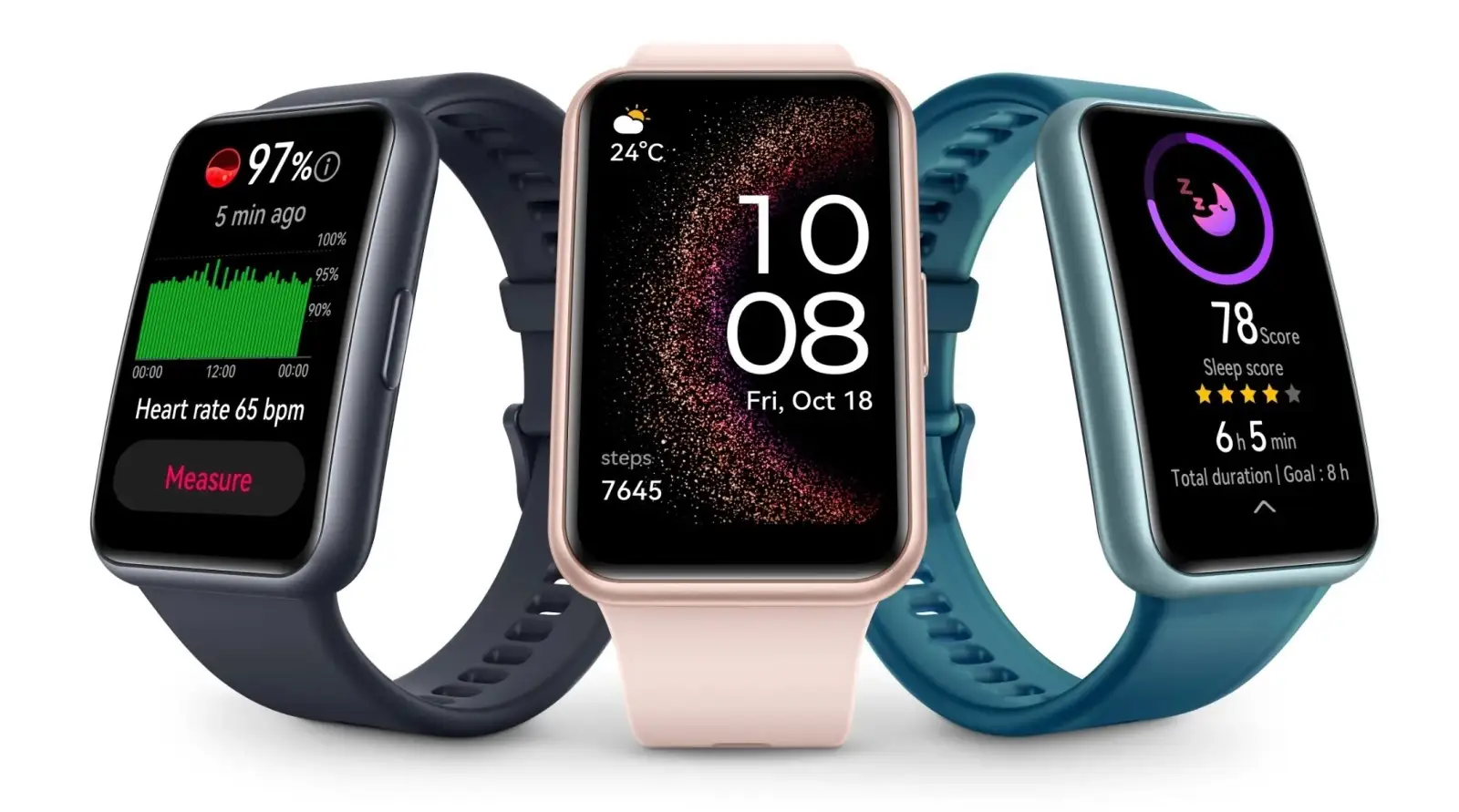
The core appeal of any fitness tracker lies in its ability to quantify activity. In the past, "being active" was a vague concept. Today, it is a number on a screen. These devices sync with your smartphone to provide real-time data on steps taken, heart rate, sleep quality, and more. This transition from abstract goals to tangible data is transformative.
Research indicates that simply wearing a fitness tracker can motivate users to take more steps. Studies have shown that users typically increase their activity by an average of 1,235 steps per day and engage in an extra 49 minutes of moderate-to-vigorous activity weekly. For a Nigerian office worker who spends hours in traffic and then hours at a desk, this increase is significant. These gains align perfectly with global health recommendations of 150 minutes of weekly exercise.
Why does this matter? Achieving a target of 8,000 to 10,000 steps daily is scientifically linked to reducing risks for heart disease and extending longevity. In a country where urban environments often discourage walking due to layout or safety concerns, having a device that buzzes to remind you to move can be the difference between a sedentary lifestyle and a healthy one. It effectively counters the inactivity that contributes to Nigeria’s high obesity prevalence, which affects up to 58.9% of some population groups, particularly females.
Hypertension and Heart Health
Perhaps the most critical feature of modern fitness trackers for the Nigerian demographic is heart health monitoring. Wrist-based sensors use optical technology to measure blood flow changes, providing pulse readings that track your heart rate throughout the day. More advanced models even measure electrical rhythms akin to a basic ECG (electrocardiogram), alerting users to irregularities like atrial fibrillation.
This technology is a game-changer given the health landscape in Nigeria. Hypertension is a silent killer, affecting between 37.4% and 55.7% of populations in various rural and urban studies. It is often linked to age, gender, and metabolic syndrome, but it frequently goes undiagnosed until it causes severe damage. While a fitness tracker is not a replacement for a doctor, it serves as an early warning system.
Imagine receiving an alert that your resting heart rate has spiked significantly over the last week, or that your heart rhythm shows signs of irregularity. These alerts prompt timely medical advice, potentially preventing a crisis. Experts note that consistent tracking empowers behavioral changes such as taking the stairs instead of the elevator or incorporating evening walks which can add over a mile of daily movement and naturally lower blood pressure over time.
Tackling Diabetes and Weight Management
Nigeria is currently facing a dual burden of malnutrition and obesity. As fast food becomes more accessible and traditional diets change, weight management has become a priority for many. Fitness trackers excel here by helping users log calories and track energy expenditure. It removes the guesswork from weight loss. By correlating your physical activity with your nutrition input, these devices promote a balanced diet without the need for strict, unsustainable meal plans.
Furthermore, the management of diabetes is becoming increasingly tech-integrated. With diabetes prevalence in Nigeria estimated at 4.3% to 18.9%and projected to rise to 6 million cases by 2045proactive management is essential. This is particularly vital in regions like North Central Nigeria, where hypertension often co-occurs with diabetes.
Modern trackers can now integrate with Continuous Glucose Monitors (CGM). This means a diabetic patient can see their blood sugar levels directly on their wrist, receiving immediate feedback on how a specific meal or a walk affected their glucose. This real-time data allows for immediate insulin adjustments and lifestyle tweaks, turning a passive struggle against the disease into active, informed management.
Sleep
In cities like Lagos, sleep is often the first casualty of the "hustle." However, poor sleep exacerbates almost every health issue, from weight gain to heart disease. Fitness trackers use motion detectors and heart rate variability to assess your sleep cycles, breaking your night down into light, deep, and REM sleep.
By analyzing sleep quality, these devices help identify patterns that ruin rest, such as inconsistent bedtimes or late-night caffeine consumption. Improving rest impacts energy levels, cognitive function, and emotional health. For the busy Nigerian navigating a high-stress environment, understanding that you only got four hours of deep sleep can explain why you feel drained, prompting you to prioritize an earlier bedtime the next night. Some trackers even go further, monitoring body temperature or menstrual cycles, adding layers of comprehensive health insights that are particularly useful for women’s health.
Motivation and the Community Factor
One of the biggest hurdles to fitness is staying motivated. Fitness trackers gamify health. You can set daily targets for steps, calories burned, or active minutes. When you hit a goal, the device celebrates with you. When you have been sitting too long, it nudges you to stand up.
Beyond personal goals, the social aspect is powerful. Many apps associated with these devices allow you to share progress and compete with friends. Studies show that using a pedometer in a social setting can increase activity by 30%. In Nigeria, where Gen-Z shows high awareness of fitness technology but lower adoption rates, emphasizing these social features is key. It transforms fitness from a solitary chore into a community event. Whether it’s joining a virtual challenge with colleagues or just trying to beat your sibling’s step count, the "community" aspect drives accountability.
How Much Does A Fitness Tracker Cost
A common misconception is that you need the most expensive gadget to get fit. This is untrue. For those looking to get started, there are affordable models from reputable brands like Fitbit, Garmin, or Xiaomi available on platforms such as Jumia. Prices for reliable, basic versions can start from around ₦20,000.
Marketplace NG Recommendations for Beginners:
-
Start Simple: Don't get bogged down in complex metrics immediately. Choose a model with long battery life to avoid the frustration of daily charging.
-
Set Realistic Goals: Aim for 10,000 steps daily, but if you are currently doing 2,000, start with 4,000 and build up.
-
Pair with Local Habits: Use your tracker to measure your walk to the market, your evening stroll in the estate, or your movements during community fitness group sessions.
-
Gen-Z Focus: For the younger generation, look for designs that blend aesthetics with function. If the interface is intuitive and the device looks good, you are more likely to wear it consistently.
Drawbacks to Consider
At Marketplace NG, we value transparency. While the benefits are evident, fitness trackers are not magic wands. They are not medical-grade devices, and their readings can have inaccuracies. A tracker might miscalculate steps if you are driving on a bumpy road, or give a slightly off heart rate reading during high-intensity interval training.
Additionally, for some, the constant stream of data can cause anxiety, a condition sometimes called "orthosomnia," where the obsession with perfect sleep data actually ruins your sleep. In Nigeria, barriers such as the initial cost and the complexity of some interfaces can limit use.
Therefore, our advice is to use these devices as guides, not absolute authorities. They should complement a healthy lifestyle, not dictate it. Always consult a doctor before making significant medical decisions based on data from your tracker.
Conclusion
Fitness trackers offer evidence-based tools for proactive health management in Nigeria. They blend technology with daily life, offering a mirror that reflects our habits back to us. In a country fighting a rising tide of lifestyle diseases, from obesity to hypertension, these devices provide the awareness needed to make a change.
Whether you are a busy executive in Victoria Island, a student in Ibadan, or a trader in Onitsha, the insights provided by a simple wristband can be the catalyst for a longer, healthier life. It is not just about counting steps; it is about making every step count.