The Top 5 Car Brands In Nigeria 2026
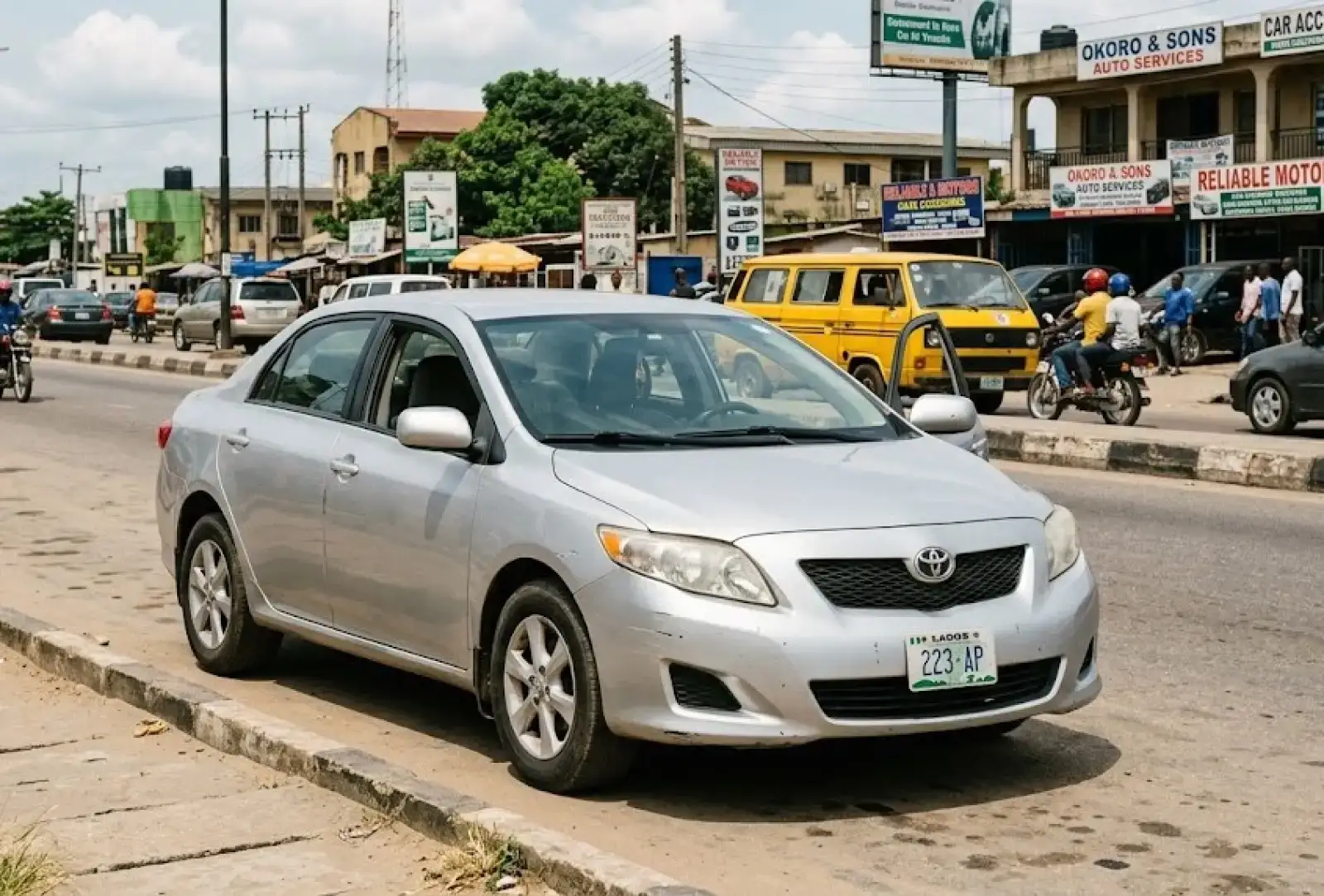
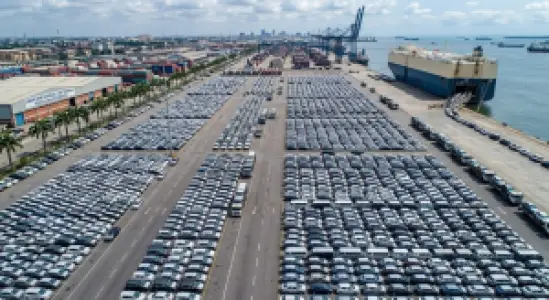
If there is one thing that defines the pulse of Nigeria, it is our roads. From the bustling, ever-awake streets of Lagos to the sweeping highways connecting the North and South, the vehicles we drive tell a story of resilience, ambition, and evolving economic realities. For decades, the Nigerian automotive landscape has been heavily dominated by imported vehicles—fondly and universally known as "Tokunbo."
However, as we navigate through 2026, a massive shift is occurring. Driven by the National Automotive Industry Development Plan (NAIDP), fluctuating foreign exchange rates, and a deep-seated desire for national pride, local manufacturing and assembly are taking center stage. We are witnessing a blend of indigenous visionaries and dominant foreign giants fighting for dominance.
Whether you are looking for a rugged pickup for your business, an affordable sedan for city commutes, or a luxury SUV, finding the right vehicle is crucial. At Marketplace Naija, we make that search seamless. Before we dive into the powerhouses of the Nigerian auto industry, feel free to explore our extensive catalog of rides and discover great deals on vehicles for sale.
Here is a deep dive into the top 5 car brands and assemblers defining the Nigerian automotive market today.
1. Innoson Vehicle Manufacturing (IVM) – The Pride of the Nation
The Leading Indigenous Brand
When you talk about indigenous manufacturing in Nigeria, Chief Innocent Chukwuma’s Innoson Vehicle Manufacturing (IVM) is the undisputed pioneer. Headquartered in Nnewi, Anambra State, IVM holds the title of Nigeria’s first fully indigenous automobile manufacturer.
Innoson has moved far beyond its early days. Today, they assemble a robust lineup of passenger cars, SUVs, buses, and rugged pickups designed specifically to withstand the unique challenges of Nigerian roads. Popular models like the IVM Caris (sedan), the G5T and G6T (SUVs), the G20 Smart (MPV), and the Uzo buses have become frequent sights across the country. In early 2026, reports showed Innoson leading local assembly sales with a staggering ~44% market share in specific segments, reflecting a massive +175% growth.
Strengths & Challenges:
IVM’s biggest selling points are national pride, job creation, and vehicles built with heavy-duty shock absorbers for our local terrain. Furthermore, responding to the recent fuel economic shifts, IVM has championed CNG (Compressed Natural Gas) vehicles and recently unveiled locally made electric vehicles (EVs). However, challenges remain. High production costs mean the cheapest models often start around ₦22 Million, and their nationwide after-sales service network is still expanding to compete with legacy foreign brands. The resale value of an Innoson also remains a concern for some buyers compared to established imports.
2. Toyota – The Undisputed Market King
The Ruler of the "Tokunbo" and New Car Markets
It is impossible to make a list of top car brands in Nigeria without crowning Toyota. While not a local manufacturer, Toyota (distributed via Toyota Nigeria and countless independent dealers) is overwhelmingly the most popular and trusted brand in the country. They maintain a formidable 60-70% overall market influence.
Toyota is the cultural icon of Nigerian mobility. The Toyota Corolla remains the undisputed king of the used car market, while the Toyota Hilux is the default choice for corporate, construction, and security fleets. The Camry, Hiace, Highlander, and Rush dominate their respective categories.
Strengths & Challenges:
Why does Toyota consistently rank number one in popularity and resale value? It boils down to three things: bulletproof reliability, an abundance of cheap spare parts, and unbeatable durability on rough roads. Every mechanic from Sokoto to Calabar understands a Toyota engine. While local brands are pushing hard, Toyota’s decades of built-up consumer trust make it incredibly difficult to dethrone.
If you are looking to buy a car online that guarantees peace of mind and excellent resale value, a Toyota is always a safe bet.
3. Nord Automobiles Limited – The Rising Star
The Next Generation of Nigerian Vehicles
If Innoson paved the way, Nord Automobiles is widening the road. Headquartered in Lagos, Nord is an emerging indigenous brand focused on designing and assembling Nigerian-branded vehicles specifically adapted for African conditions.
Nord is quickly gaining traction in the 2026 market (ranking 7th in some recent automotive data) by offering highly competitive pricing against Chinese imports. Their lineup is modern and aesthetically pleasing, featuring sedans and SUVs like the A3, A5, A7, and A9, alongside the Max, Tusk, and Tank pickups. They also cater to commercial needs with their Flit and Tripper buses.
Strengths & Challenges:
Nord represents the "next generation" of local manufacturing, combining innovative modern features with local adaptation. They offer a strong value proposition, but as a newer brand, they face the hurdle of proving their long-term durability to a skeptical public. Furthermore, with pricing often falling in the ₦20M to ₦40M+ range, affordability remains relative in the current economy.
4. Stallion Motors / Volkswagen – The Assembly Giant
Reviving the Glory Days of Local Production
Many Nigerians remember the golden era of the 1970s and 80s when Volkswagen Beetles and Danfo buses were proudly assembled in Nigeria. Stallion Group has revived that legacy. Operating out of the massive old Volkswagen plant in Badagry, Lagos, Stallion is one of the largest assembly operations in West Africa.
Stallion doesn't just assemble Volkswagens (like the Passat, Jetta, and Amarok); they are a major distributor and assembly partner for a powerhouse portfolio including Hyundai, Nissan, Honda, and Changan. In peak years, they reported assembling upwards of 45,000 VW units alone.
Strengths & Challenges:
Stallion’s sheer scale and established infrastructure make them a cornerstone of Nigeria's automotive policy (NAIDP). They have been instrumental in formalizing local assembly and bringing high-quality, globally recognized vehicles to the Nigerian market with locally added value.
5. Coscharis Motors & The GAC Surge – Luxury Meets Value
Premium Distribution and the Chinese Automotive Wave
Coscharis Motors is a legendary name in the Nigerian corporate space, built by the visionary Cosmas Maduka. While they assemble the Ford Ranger locally, they are best known as the premier distributor for luxury brands like BMW, Jaguar Land Rover, and Renault. They provide the premium segment with world-class after-sales support and wide network coverage.
However, the biggest story in this space for 2025/2026 is the explosive growth of Chinese brands distributed by major players. GAC Motors, for instance, has surged in sales, occasionally hitting the #2 spot in quarterly data for brand new vehicles, alongside other fast-rising brands like Changan and BYD.
Strengths & Challenges:
The shift toward these brands is driven by a simple formula: offering the luxury, technology, and features of a high-end European car at a fraction of the price. While Coscharis holds down the traditional premium and rugged pickup markets, the rapid rise of these Chinese brands highlights the Nigerian consumer's search for affordability without sacrificing modern automotive tech.
Deep Dive: The State of the Nigerian Auto Industry in 2026
To truly understand why these five entities dominate, we have to look at the broader economic landscape. Nigeria has an installed vehicle assembly capacity of over 200,000 units per year. Historically, utilization has been incredibly low (between 10% and 40%), as the market is fiercely driven by the importation of used vehicles.
However, the tides are turning. Key trends shaping the industry right now include:
-
The CNG and EV Revolution: With the removal of fuel subsidies, the cost of petrol has fundamentally altered buying habits. Brands like Innoson are heavily pushing CNG-powered vehicles to offer commercial and private drivers relief from high pump prices. We are also seeing the very early, exciting stages of Electric Vehicles (EVs) entering the local market.
-
The Rise of Asian Automakers: The increasing presence of Chinese brands (GAC, BYD, Geely) is disrupting the new-car market, providing strong alternatives to the increasingly expensive brand-new models from Japan and Europe.
-
The African Continental Free Trade Area (AfCFTA): Local assemblers like Innoson and Nord aren't just looking at Nigeria; they are positioning themselves to export "Made in Nigeria" vehicles across the ECOWAS region, tapping into a massive continental market.
The Roadblocks:
Despite these opportunities, local manufacturers and assemblers face brutal challenges. High customs duties on SKD (Semi-Knocked Down) parts, severe foreign exchange volatility, and infrastructural deficits (like unstable power supply and bad roads) drive up the cost of local production. Additionally, the purchasing power of the average Nigerian has been squeezed, making the dream of owning a brand new car difficult for many.
Conclusion: Driving Forward with Marketplace Naija
The Nigerian automotive industry is a fascinating mix of legendary imports like Toyota, proud indigenous innovators like Innoson and Nord, and massive assembly conglomerates like Stallion and Coscharis. While challenges like forex and infrastructure persist, the push for local content, CNG alternatives, and technological innovation points to a bright future for our roads.
Whether you are looking to support the "Buy Nigerian" movement with a brand-new Nord SUV, or you are hunting for a perfectly maintained, reliable Tokunbo Toyota Corolla, your journey starts with us.
Ready to find your perfect ride? Head over to browse our full inventory of vehicles for sale, or if you want to buy cars online directly, narrow your search to find the best sedans and SUVs on our platform.
Drive safe, and buy smart with Marketplace Naija!