
Guide to Solar Panel and Generator Prices in Nigeria (2026)
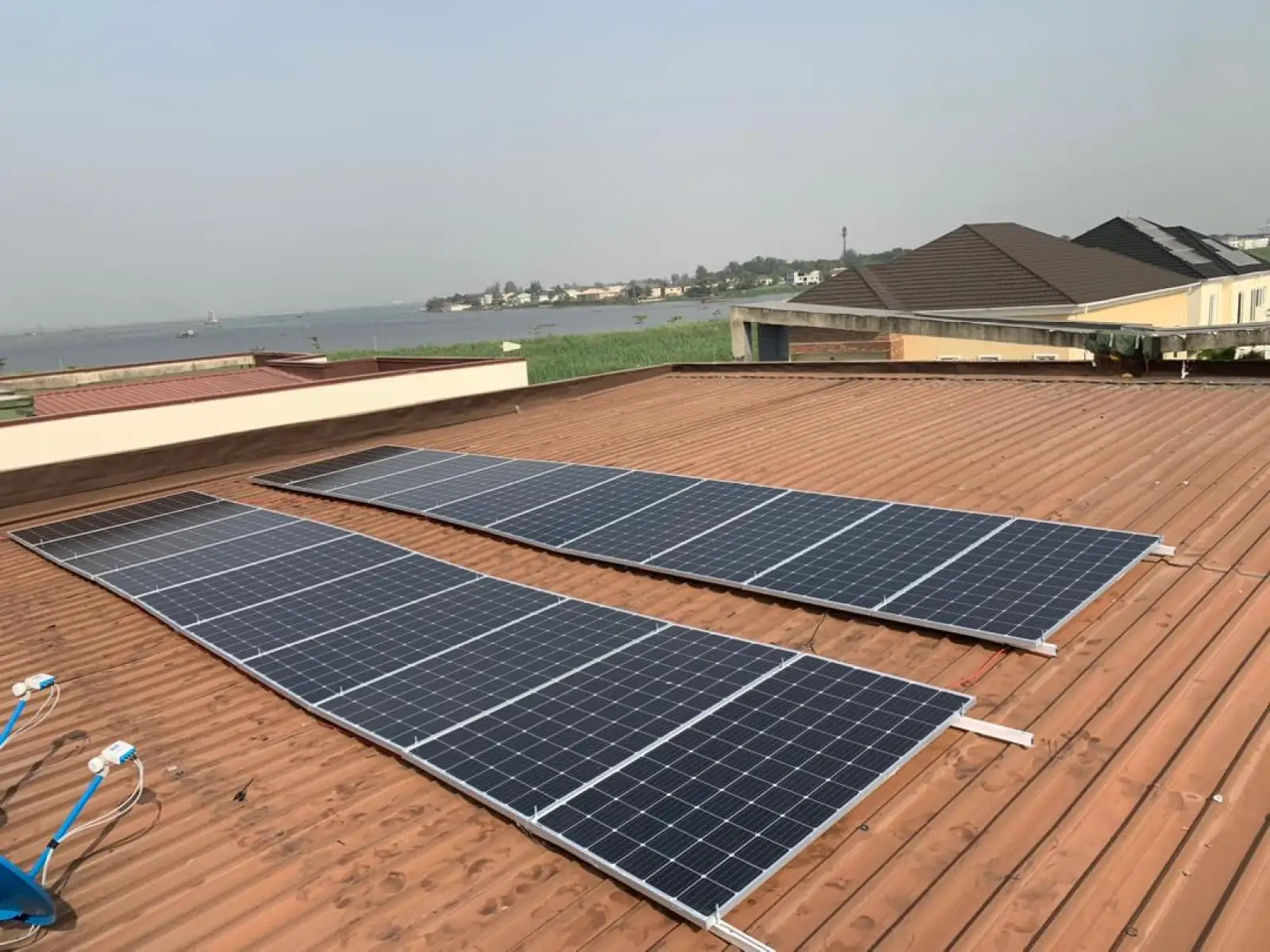
If you live in Nigeria, you know the sound. It is the hum of the "I better pass my neighbor" generator in the distance, or the roar of the larger diesel engine powering an office complex. For decades, this noise has been the soundtrack of our resilience against an unstable power grid. However, as we step into 2026, a new, silent revolution is taking over rooftops and balconies from Lagos to Kano. The shift towards renewable energy is no longer just an environmental statement; it is an economic necessity. With fuel prices fluctuating and the national grid remaining unpredictable, more Nigerians are asking the critical question: What is the current solar generator/solar panel price in Nigeria?
At Marketplace NG, we understand that navigating the solar market can feel like walking through a maze. Prices vary wildly, brands are numerous, and technical jargon like "monocrystalline" and "LiFePO4" can be confusing. To help you make an informed decision for the year ahead, we have compiled a detailed guide based on the latest market trends. Whether you are looking to charge a laptop or power a duplex, understanding the cost landscape is the first step toward energy independence in 2026.
The Solar Panel Landscape: Wattage, Efficiency, and Cost
Solar panels are the heart of any renewable setup. They capture sunlight and convert it into the electricity that powers your home. In the Nigerian market, the price of a solar panel is directly tied to its wattage (power output), its technology type, and the brand's reputation.
Currently, monocrystalline panels dominate the market. You can identify them by their uniform dark look and rounded edges. They are preferred because they offer higher efficiency often up to 23% which is crucial in urban areas where roof space might be limited. You get more power per square meter compared to the older, blue-tinted polycrystalline panels.
Breakdown of Solar Panel Prices for 2026:
-
Entry-Level and Portable (20W – 50W):
For students or those needing to keep a phone and a rechargeable fan running, small panels are the entry point. Prices here are surprisingly accessible, typically ranging from ₦9,000 to ₦35,000. These are often basic polycrystalline units, sufficient for small DC devices but not enough for standard household appliances. -
Small Home Systems (100W – 250W):
This is where many households start. A 100W monocrystalline panel, widely used for basic lighting setups, generally costs between ₦18,000 and ₦110,000, depending heavily on the brand. A step up to the 150W–250W range sees prices between ₦23,000 and ₦180,000. Mid-range brands offer affordability, while premium options with bifacial technology (panels that capture light from both sides) command the higher end of that spectrum. -
Residential Powerhouses (300W – 450W):
If you are planning to run a freezer, TV, and sound system, you are looking at this category. High-efficiency 300W to 350W panels from reputable brands like Felicity or Era usually fall between ₦35,000 and ₦195,000. Moving up to the 400W–450W range, which often features "half-cut cell" technology for better performance in partial shade, prices sit between ₦60,000 and ₦200,000. -
Commercial and High-Output (500W+):
For those looking to go completely off-grid or power a business, 550W panels are increasingly common, costing roughly ₦80,000 to ₦200,000. Massive 650W units, often used in large arrays, can range from ₦150,000 to over ₦200,000.
It is important to note that brands matter. "Tier 1" manufacturers like Jinko, Canadian Solar, Longi, and Trina often come with 25-year performance warranties. While a generic panel might be 20% cheaper upfront, a branded panel offers peace of mind that it will still be producing near-peak power well into the 2040s.
Solar Generators: Plug-and-Play Power
While solar panels are just one component, solar generators are the complete package. These devices combine a lithium battery, an inverter (to convert battery power to wall-outlet power), and a charge controller into a single, often portable, unit. They are the modern alternative to the petrol generator, silent, fume-free, and capable of recharging via the sun.
The solar generator and solar panel price in Nigeria varies significantly based on battery capacity (measured in Watt-hours, Wh) and the included charging panels.
Entry-Level Portability (200Wh – 500Wh)
These units are perfect for "camping" in your living room during a blackout. They can charge phones, laptops, and run a standing fan. Prices typically range from ₦38,000 for very basic models to ₦700,000 for high-end tech. For example, an EcoFlow RIVER 2 paired with a portable panel might cost around ₦443,300. While it seems pricey compared to a small petrol "gen," the lack of fuel costs makes it a long-term saver.
Mid-Range Reliability (500Wh – 1kWh)
This is the sweet spot for many families. A 1kWh system can often support a TV, decoder, lights, and fans for several hours. Prices range from ₦270,000 to ₦1,000,000. Brands like Miratec offer budget-friendly options around ₦130,000, while premium units like the EcoFlow DELTA 2 (often bundled with panels) push close to ₦968,500. The price difference often lies in the battery chemistry; Lithium Iron Phosphate (LiFePO4) batteries last significantly longer (up to 10 years) than standard lithium-ion ones.
Heavy-Duty Backup (2kWh+)
For those who want to run a washing machine or a small pump, you need capacity. These systems start around ₦1.5 million and can easily exceed ₦2 million. They are substantial investments, intended to replace the main generator for critical loads.
Why Do Prices Fluctuate So Much?
You might check a price online today and find it different next week. Several volatile factors influence the solar generator and panel price in nigeria:
-
Currency Exchange Rates: The majority of solar components are imported, primarily from China. As the Naira fluctuates against the Dollar and Yuan, importers adjust prices to maintain their margins. A sudden dip in the Naira can instantly add 10-20% to the shelf price of a battery or panel.
-
Import Duties and Clearing Costs: While the Nigerian government has occasionally mooted incentives for renewable energy, the reality at the ports can be different. Tariffs, levies, and logistical challenges in clearing goods often add a significant markup to the final retail price.
-
Technology and Features: A "smart" generator that you can control via a mobile app will cost more than a "dumb" box with a battery. Similarly, bifacial solar panels that generate power from sunlight reflecting off the roof surface command a premium over standard single-sided panels.
-
Supply Chain Constraints: Global events affecting shipping routes or manufacturing output in Asia ripple down to the markets in Alaba or Computer Village. Scarcity drives up costs, while a glut in supply can lead to temporary discounts.
Making the Right Choice: Tips for Nigerian Buyers in 2026
Investing in solar is not like buying a loaf of bread; it is infrastructure. To ensure you get value for your money, consider these actionable tips:
-
Calculate Your Load: Before asking for the price, know what you need to power. A 500W generator cannot run a 1500W electric kettle. Sum up the wattage of your essential appliances to avoid buying an underpowered system.
-
Verify the Source: Platforms like Jiji and Jumia are excellent for comparing prices, but always check seller ratings. For high-value items like a ₦1.5 million generator, consider visiting a physical showroom or a specialized solar retailer where you can see the unit and ask about after-sales support.
-
Check the Warranty: A solar panel should last 25 years. A battery should last 5 to 10 years. If a seller offers a "6-month warranty" on a generic product, proceed with caution. Established brands offer warranties that protect your investment.
-
Consider Financing: Recognizing that the upfront cost is a barrier, many platforms and solar companies now offer "Buy Now, Pay Later" schemes. You might find offers allowing a down payment of ₦50,000 with weekly installments, making the transition to solar more manageable for salary earners.
-
Don't Ignore Installation: For solar panels, the equipment is only half the battle. A poor installation can reduce efficiency or cause fire hazards. Factor in an additional ₦50,000 to ₦200,000 for professional cabling, mounting, and safety switches.
Conclusion
The energy landscape in Nigeria is shifting. While the initial sticker price of solar equipment might seem high, the math changes when you subtract the daily cost of petrol, the maintenance of a combustion generator, and the sheer stress of noise pollution. Whether you start small with a ₦9,000 panel for your phone or go big with a ₦2 million home system, you are buying more than just electricity; you are buying reliability.
As we navigate through 2026, keeping an eye on the solar panel and its generator price in Nigeria will help you time your purchase correctly. The sun is free, and in a country as sun-drenched as ours, harnessing it is the smartest economic move you can make..