Escrow Payments in Nigeria: The Ultimate Guide to Safe Online Transactions
In the fast-evolving world of Nigerian e-commerce, a single question haunts every buyer on Instagram, WhatsApp, and Marketplace Naija: "If I send the money, will they actually send the item?"
Conversely, sellers are plagued by "Cash on Delivery" (COD) nightmaresriders returning with rejected goods after hours in Lagos traffic. This massive "trust gap" is the single biggest hurdle for small businesses and shoppers in Nigeria.
Enter Escrow Payments.
If you are looking for a way to stop "what I ordered vs. what I got" or avoid being "blocked" after a bank transfer, this guide is for you. We will dive deep into how escrow works, why it is the future of Nigerian trade, and which platforms you can trust today.
What is an Escrow Payment?
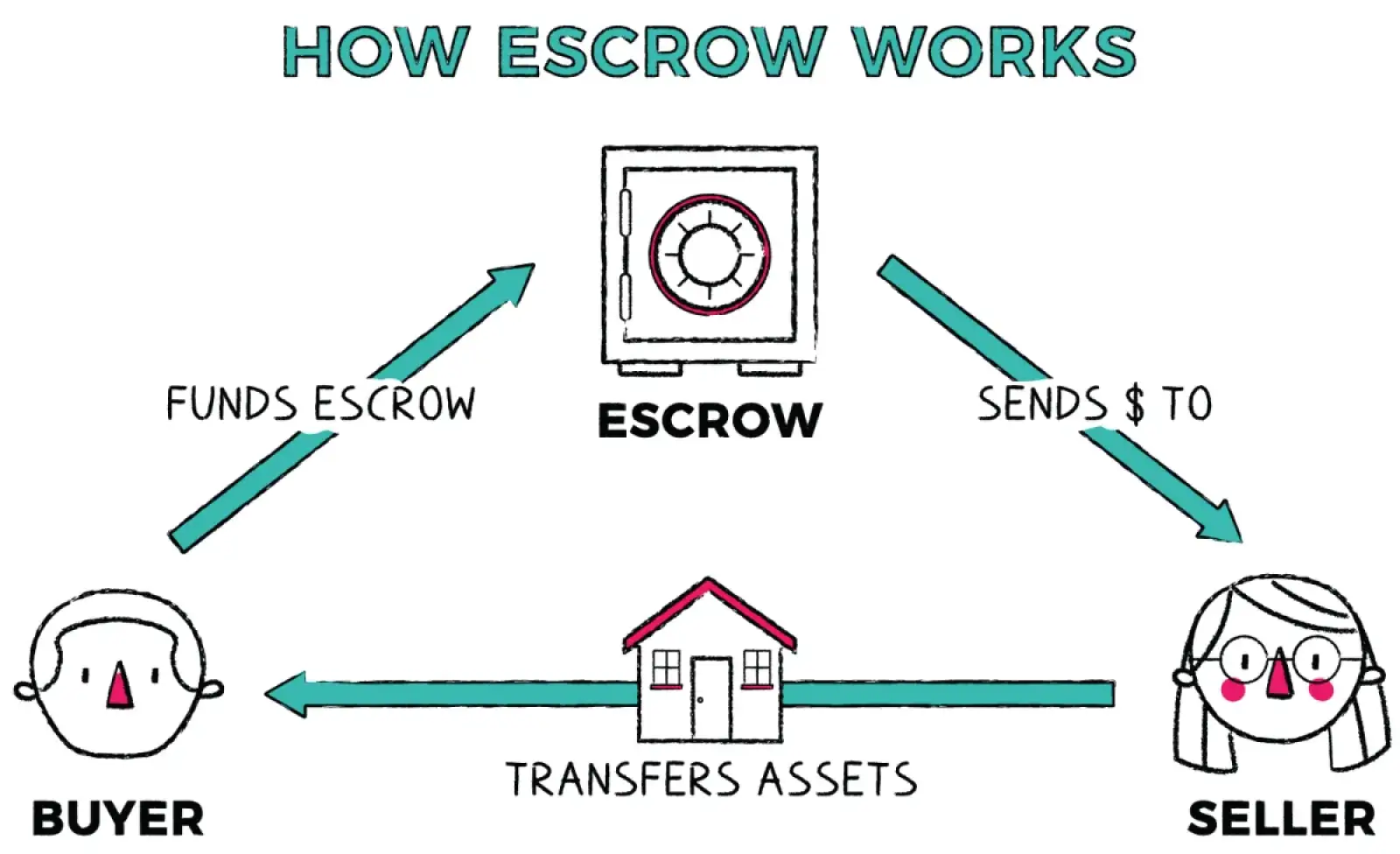
An Escrow Payment is a secure, neutral third-party mechanism that holds funds or assets until both the buyer and the seller fulfill the agreed conditions of a transaction.
Think of it as a "middleman" that says to the buyer, "Give me the money; I’ll hold it safely," and to the seller, "The money is here; go ahead and ship the goods." The seller only gets paid once the buyer confirms they have received exactly what was promised.
In Nigeria, these services are typically managed by an Escrow Agent, which can be a licensed Fintech company, a bank, or a law firm. The funds are kept in dedicated, CBN-regulated bank accounts, often NDIC-insured meaning your money doesn't just sit in the company's "office wallet"; it is protected by the same systems that protect your bank savings.
For a secure environment where these principles are already integrated into the shopping experience, check out Marketplace Naija, which focuses on building a verified community for Nigerian traders.
Why Escrow is Critical for the Nigerian Market
Nigeria is a unique business environment. While we have one of the most vibrant entrepreneurial spirits in the world, we also face specific challenges:
-
The Rise of "Social Commerce": Most deals happen on WhatsApp, Instagram, and Facebook Marketplace. These platforms have no built-in buyer protection.
-
Online Scams (Oluwole 2.0): Fraudsters create "ghost" pages with thousands of fake followers to lure victims into direct bank transfers.
-
The COD Crisis: Cash on Delivery is expensive for sellers. Buyers often cancel at the last minute, leading to wasted delivery fees and tied-up inventory. To combat this, smart vendors are moving to platforms that prioritize secure pre-payments. If you're a vendor tired of COD issues, you can start selling safely here.
-
Trust Issues in Freelancing: Developers, writers, and designers often struggle to get paid after delivering work, while clients fear paying upfront and getting ghosted.
Escrow solves all these by replacing "blind trust" with a "verifiable process."
How Escrow Payments Work: A Step-by-Step Breakdown
The process is designed to be simple and repeatable. Whether you are buying a ₦5,000 shoe or a ₦50,000,000 landed property in Ibeju-Lekki, the workflow remains largely the same:
Step 1: Agreement on Terms
The buyer and seller negotiate the price, delivery timeline, and the inspection period. This is crucial. Both parties must agree on how many days the buyer has to check the item before the money is released.
Step 2: Buyer Deposits Funds
The buyer initiates the transaction on an escrow platform and transfers the money. This can be via bank transfer, USSD, or debit card. The funds go to the escrow agent's secure account.
Step 3: Notification to the Seller
The escrow platform verifies the payment and notifies the seller: "Funds Secured. Please Ship Item." This gives the seller the confidence to release their goods knowing the money is already "in the bag."
Step 4: Delivery and Inspection
The seller ships the item and provides tracking info. Once the buyer receives the item, the Inspection Clock starts ticking. The buyer checks for quality, size, and functionality.
Step 5: Approval and Release
If the buyer is satisfied, they click "Approve" on the app or website. The escrow agent then releases the funds to the seller (minus a small transaction fee).
Step 6: Dispute Resolution (The Safety Net)
If the buyer receives a faulty item or the seller never ships, a dispute is raised. The platform’s mediators step in, review evidence (chats, waybills, photos), and decide whether to refund the buyer or pay the seller.
Popular Escrow Platforms in Nigeria (2026 Update)
If you are looking to start using escrow today, here are the most reputable providers currently operating in Nigeria. Most of these partner with CBN-licensed banks like Access, Zenith, and GTB to ensure fund safety.
|
Platform |
Best For |
Typical Fees |
Key Feature |
|
EscrowLock |
Social Media Deals (IG/WA) |
1.25% - 3.25% |
Highly trusted for P2P deals; NDIC-insured partners. |
|
PayScrow |
E-commerce & Freelance |
2% + ₦100 |
PCI/DSS secure; excellent dispute mediation. |
|
ReniTrust |
Business Owners |
Variable |
Wallet integration and NDPR data compliance. |
|
Payluk |
B2B & Wholesale |
Variable |
Mobile app focus with bank-grade encryption. |
|
Traditional Banks |
Real Estate & Corporate |
MoU Based |
Stanbic IBTC & FirstBank offer formal escrow for large deals. |
Note: For very large transactions like car sales or land, always consider using a Law Firm Escrow (e.g., D Bar Escrow) as they provide additional legal layers of protection.
Is Your Money Safe?
As of March 2026, there are no specific "Escrow Licenses" issued by the Central Bank of Nigeria (CBN). Instead, escrow providers operate under the Payment Service Provider (PSP) framework.
To ensure your safety:
-
Check for Bank Partnerships: Ensure the platform uses regulated commercial banks to hold funds.
-
KYC Compliance: Any platform that doesn't ask for some form of ID (BVN or NIN) is likely not following AML (Anti-Money Laundering) rules.
-
NDPR Compliance: Look for "Nigeria Data Protection Regulation" mentions to ensure your personal info isn't being sold.
Practical Tips for Nigerians Using Escrow
To make the most of these services, follow these "street-smart" tips:
-
Document Everything: Take screenshots of your chats with the seller. If you are receiving a high-value item (like a laptop), film yourself unboxing it. This is your "evidence" if a dispute arises.
-
Agree on Shipping Costs Upfront: Who pays for the return if the item is rejected? Clarify this before the money is moved.
-
Beware of Fake Links: Scammers might send you a "fake" escrow link that looks like PayScrow or EscrowLock. Always go to the official website or app yourself to start a transaction.
-
Start Small: If you are using a new platform for the first time, try it with a smaller transaction before moving millions.
-
Set Realistic Inspection Windows: 24 to 48 hours is usually enough for electronics. Don't leave the seller hanging for a week.
Final Thought
The "Send the money first" era is coming to an end in Nigeria. As more people adopt escrow, the environment becomes hostile for scammers and safer for honest entrepreneurs. While there is a small fee involved, it is a tiny price to pay for the "insurance" of knowing your hard-earned money is safe.
Whether you are a freelancer, a vendor, or a shopper, it’s time to embrace escrow. It’s not just a payment method; it’s a trust revolution. If you are ready to join a secure ecosystem, visit Marketplace Naija to explore or create your online store today.