
What to Sell Online in Nigeria: Sell Your Product on Marketplace Naija
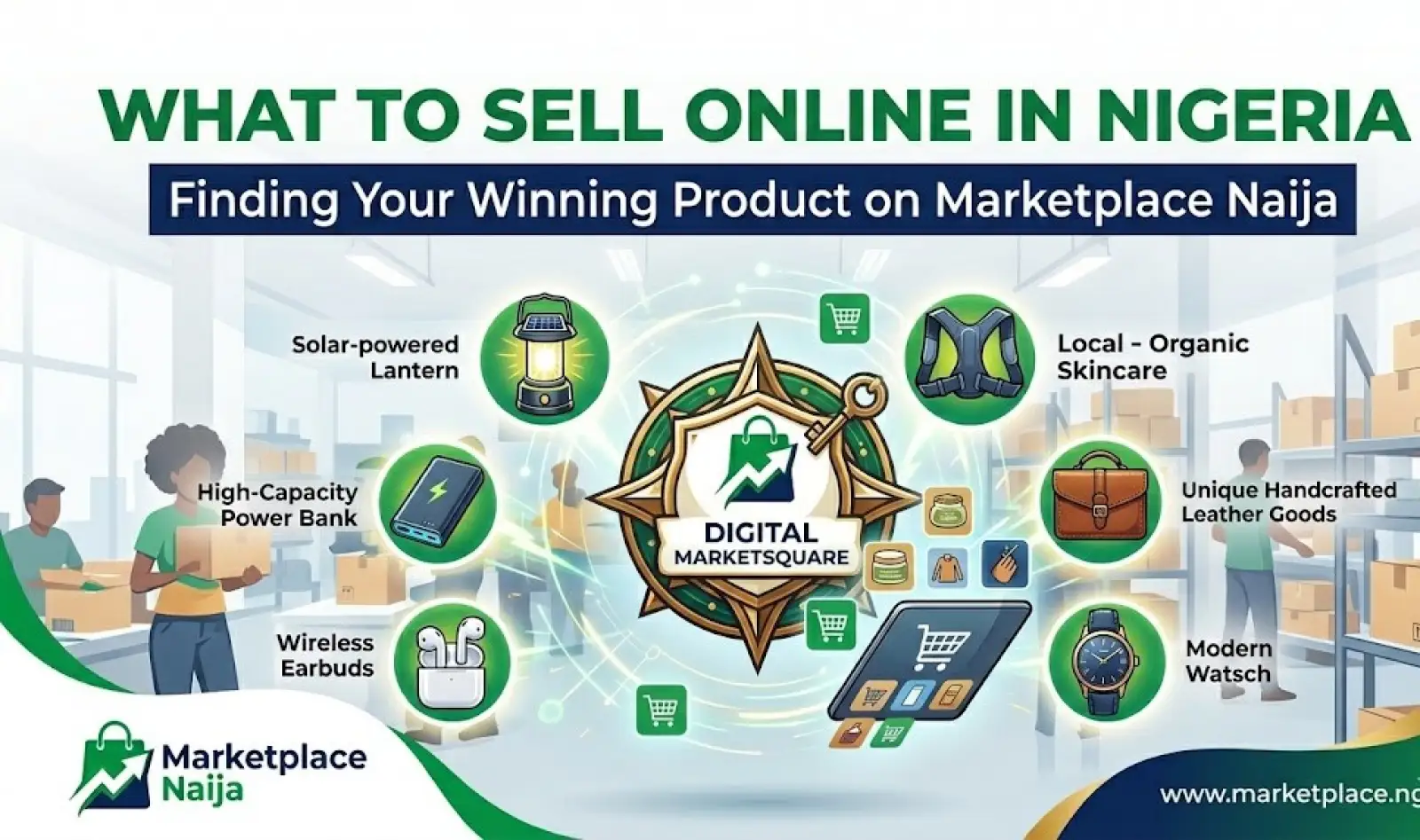
Thinking about starting an online business in Nigeria but feeling stuck on what to actually sell? You're not alone. This is perhaps the single most common roadblock for aspiring entrepreneurs. The excitement of launching a store is often quickly followed by the paralyzing question: "What will people actually buy from me?" Finding the right product, your "winning product"is the critical first step to building a profitable e-commerce venture.
The good news is that the Nigerian online market is experiencing unprecedented growth. With increased internet penetration and a growing middle class, millions of Nigerians are logging on every day looking for solutions, conveniences, and products they love. The opportunity is massive. However, the key to success on a platform like Marketplace Naija isn't just throwing random items against a wall and hoping something sticks; it's about strategic selection. It's about selling the right thing to the right people at the right time.
Here is a comprehensive guide to figuring out what to sell online in Nigeria, how to identify products with high profit potential, and how to start building your business on Marketplace Naija.
1. The Golden Rule: Solve a Common, Everyday Problem
The most sustainable and successful products online don't just look visually appealing; they provide a tangible solution to a specific, recurring problem for the buyer. When brainstorming your product line, put yourself in the shoes of your potential customer. Think about the daily frustrations and challenges Nigerians face. Products that alleviate these pain points practically sell themselves.
High-Demand Problem-Solving Categories:
-
Power & Energy Solutions: Given the well-known challenges with the national grid, any product that provides reliable alternative energy or extends the life of essential devices is a guaranteed hot seller. Move beyond standard power banks and consider high-capacity, fast-charging units suitable for laptops. Think about rechargeable standing fans (essential during the hot season), portable solar panels for phone charging, and durable, energy-efficient LED bulbs.
-
Time & Effort Savers: Urban life in Nigeria, particularly in cities like Lagos, Abuja, and Port Harcourt, is fast-paced and demanding. Products that save time for busy professionals, students, or parents are highly valued. This includes smart kitchen gadgets (like electric mini food processors, heavy-duty blenders for local ingredients, and air fryers), as well as efficient, time-saving cleaning tools like robotic vacuums or specialized spin mops.
-
Health, Comfort, and Wellness: Products that address specific health concerns or promote everyday comfort have a dedicated and loyal customer base. Consider items like ergonomic office chairs or posture correctors for the growing remote workforce, fitness bands to track health metrics, or specialized skincare solutions formulated specifically for the West African climate (e.g., products targeting hyperpigmentation or sun protection).
2. Tap into Passion, Hobbies, and Lifestyle Niche Markets
While problem-solving is powerful, passion is equally profitable. People are remarkably willing to spend disposable income on the things they love and are passionate about. If you can identify and tap into a dedicated niche market, you'll find customers who are eager to buy.
Profitable Passion Niches:
-
The Fitness Boom: The focus on health and fitness is growing exponentially across Nigeria. Don't just sell generic gym wear; target specific needs. High-quality resistance band sets, durable yoga mats, adjustable dumbbells for home workouts, and specialized, breathable activewear are excellent options. Supplements (if sourced legitimately) are also a high-margin category.
-
The Gaming Community: Gaming is no longer a niche hobby; it's a massive industry in Nigeria, encompassing both console and mobile gamers. Catering to this demographic can be very lucrative. Consider selling mobile gaming triggers, specialized cooling pads for smartphones (essential for long PUBG or Call of Duty Mobile sessions), comfortable gaming headsets with noise cancellation, or customizable LED room lighting.
-
Specialized Fashion and Beauty: The general clothing market is highly saturated and competitive. To stand out, you need to niche down. Instead of just selling "clothes," consider selling specialized, natural hair care products tailored for 4C hair types, unique statement jewelry, bold Ankara-infused accessories that blend traditional styles with modern utility (like laptop bags or phone cases), or niche cosmetics.
3. The Logistics Factor: Look for "Lightweight and Durable"
If you're planning to import your products or if you will be handling your own logistics, the physical characteristics of what you sell matter immensely. The size, weight, and fragility of your items directly impact your bottom line.
Why Size and Weight Matter:
-
Shipping and Import Costs: Heavy or bulky items cost significantly more to ship from overseas suppliers and cost more to deliver to your local customers. High shipping costs eat directly into your profit margins and can deter buyers at checkout.
-
Damage Risk and Returns: Fragile items (like glassware, delicate electronics, or certain cosmetics) are highly prone to breaking during transit on Nigerian roads. High breakage rates lead to customer returns, refunds, and negative reviews, which can cripple a new store.
Ideal Product Characteristics (The "Shoebox Rule"):
Aim for products that can comfortably fit inside a shoebox and won't break easily if dropped.
-
High-quality phone accessories (durable cases, privacy screen protectors, fast-charging cables).
-
Fashion accessories (watches, sunglasses, rings, necklaces).
-
Small consumer electronics (wireless earbuds, smartwatches, portable Bluetooth speakers).
-
Uncomplicated apparel (graphic t-shirts, caps, socks).
4. Ride the Wave: Identify Trending Products (But Proceed with Caution!)
Capitalizing on a sudden trend can generate incredibly fast and profitable cash flow, but it requires agility and a keen eye for what's currently capturing public attention.
How to Spot the Next Big Thing:
-
Social Media Monitoring: Pay close attention to what's going viral on TikTok, Instagram Reels, and Twitter within the Nigerian demographic. What are influencers promoting? What challenges are people participating in?
-
Google Trends: Utilize this free tool to see if search volume for a specific item is suddenly spiking in Nigeria.
-
Marketplace Intelligence: Look at the "best sellers," "trending," or "most wished for" sections on major global platforms like AliExpress or Amazon to see what's currently moving in other markets; those trends often hit Nigeria shortly after.
The Crucial Catch: Trends are, by definition, temporary. If you build your entire business model around a fad (remember fidget spinners?), you will struggle when the hype inevitably dies down. The smartest strategy is to use trending items for quick injections of cash flow, but ensure the foundation of your store is built on "evergreen" products items people will always need regardless of the season or current fad.
5. The Home Advantage: Leverage Local Sourcing and Production
You don't always have to navigate the complexities of importing from China or the US to build a successful online business. Sourcing locally provides several distinct advantages: a unique selling proposition, significantly faster turnaround times, and lower initial shipping costs.
Local Sourcing Ideas:
-
Locally Made Skincare and Haircare: There is a huge and growing demand for natural, organic products using high-quality local ingredients like Shea butter, black soap, coconut oil, and aloe vera. Many local manufacturers offer wholesale or white-labeling opportunities.
-
Handcrafted Goods and Art: Nigeria has a rich culture of craftsmanship. Unique, locally made leather goods (shoes, bags, belts from places like Kano or Aba), traditional crafts, or original artwork can command premium prices online.
-
Packaged Food Items: Packaged, non-perishable local delicacies, specialized spice blends (like authentic Suya spice or pepper soup mix), or healthy locally sourced snacks (like packaged cashew nuts or plantain chips) have a strong market, both locally and in the diaspora.
Ready to Start Selling and Earning?
Once you have brainstormed and selected the product you want to sell, the next crucial step is getting those products in front of eager buyers. That's exactly where Marketplace Naija comes in. We provide the robust platform, the targeted traffic, and the easy-to-use seller tools you need to succeed in the Nigerian e-commerce space.
Don't let the fear of choosing the "wrong" product paralyze you. Pick an item that fits the criteria outlined above, list it on Marketplace Naija, and start learning from the market. The most important step you can take right now is simply taking action!