
Car Battery Prices in Nigeria: Brands, Costs, and Buying Tips
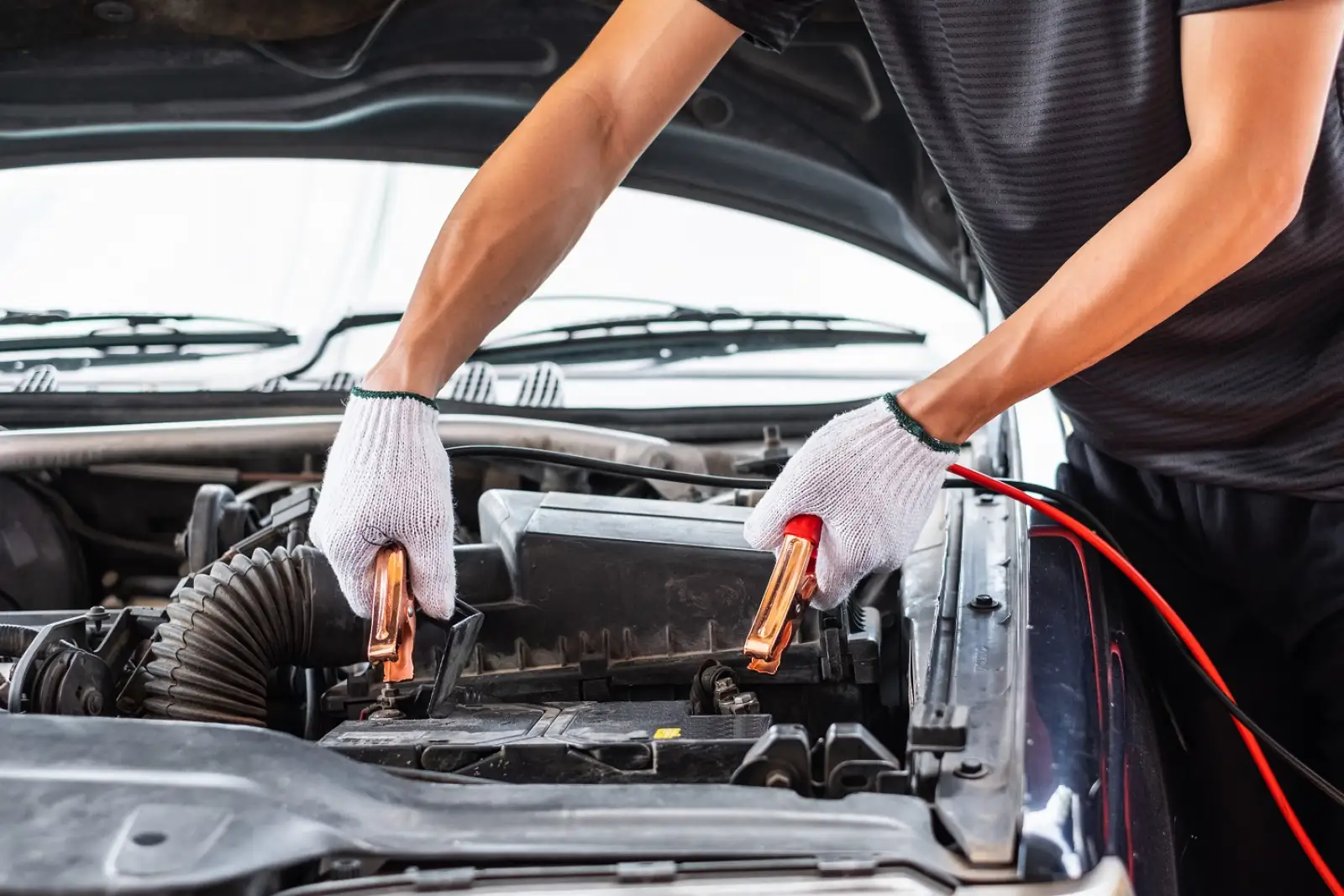
There is nothing quite as frustrating as stepping into your car, turning the key (or pressing the start button), and hearing that dreaded, slow click-click-click of a dying car battery. Whether you are running late for a corporate meeting in Abuja or trying to beat the peak morning traffic in Lagos, a reliable car battery is the literal heartbeat of your vehicle.
As we navigate mid-2026, the cost of automotive spare parts in Nigeria has experienced significant adjustments. For drivers looking to replace their batteries, understanding the current market pricing, dependable brands, and how to spot a genuine product is crucial.
This comprehensive guide breaks down car battery prices in Nigeria, reviews popular brands, analyzes the types of batteries available, and shares practical maintenance tips to get the absolute most out of your purchase.
Current Car Battery Prices in Nigeria (Mid-2026)
Currently, car battery prices in Nigeria range from approximately ₦30,000 to ₦50,000 for entry-level or budget 75Ah models, and can climb to ₦90,000 to ₦150,000+ for premium Korean or European 75Ah–100Ah brands. Prices fluctuate dynamically depending on variables such as import duties, shipping logistics, and the prevailing exchange rate.
To help you budget, here is a breakdown of approximate retail prices for popular car battery models in Nigeria:
|
Battery Model & Specification |
Price Range (Mid-2026) |
Quality Tier / Type |
|
Arnold Battery 75Ah / 12V |
₦65,000 – ₦75,000 |
Mid-Range / Maintenance-Free |
|
Target Premium 75Ah / 12V |
₦90,000 – ₦100,000 |
Premium / Maintenance-Free |
|
Solite Battery 75Ah–80Ah |
₦95,000 – ₦119,000 |
Premium Korean / Maintenance-Free |
|
Hankook Battery 80Ah / 12V |
₦98,000 – ₦110,000 |
Premium Korean / High Performance |
|
Rocket Battery 100Ah / 12V |
₦125,000 – ₦135,000 |
Premium Korean / Heavy Duty |
|
Everstart Battery (Korean Variants) |
₦90,000 – ₦118,000 |
Premium / Long Lifespan |
|
Diamond / Gales / Starter Premium 75Ah |
₦60,000 – ₦95,000 |
Mid-Range / Standard MF |
|
Budget & Chinese/Unbranded 75Ah |
₦40,000 – ₦60,000 |
Budget / Basic Flooded |
|
Fairly Used (Tokunbo) Batteries 75Ah |
₦30,000 – ₦35,000 |
Used (Not Recommended) |
Note: The prices above represent average retail and online figures from major Nigerian parts dealers and e-commerce platforms. Due to inflation and local shipping costs, retail prices can differ slightly between regions (e.g., Lagos vs. Port Harcourt or Kano).
Popular Car Battery Brands in Nigeria: What Do Drivers Recommend?
The Nigerian automotive community on platforms like Nairaland consistently advises against buying unknown, unbranded imports. Investing in a reputable brand usually pays off in durability, preventing you from buying another battery just a year down the line.
The market is generally divided into three main tiers:
1. Premium & Korean Brands (Highly Recommended)
Brands like Hankook, Solite, Rocket, Delkor, and Everstart are the gold standards for Nigerian car owners. Manufactured primarily in South Korea, these brands are highly engineered to resist high engine-bay temperatures and rough road vibrations. They offer superior Cold Cranking Amps (CCA) and generally last longer under harsh weather conditions.
2. Value & Mid-Tier Brands
Brands such as Arnold, Diamond, Target Premium, Starter Premium, Atlas, and Bosch (when sourced through authorized distributors) offer a fantastic balance between cost and performance. They are usually maintenance-free (MF) and perform excellently in mid-sized sedans and compact SUVs.
3. Budget / Local Alternatives
There are several budget-friendly Asian and local brands available in physical markets. While they have a lower initial purchase price, they might feature shorter warranties and may require more frequent checks if they are not fully sealed maintenance-free models.
Understanding the Types of Car Batteries
When shopping for a battery, you will encounter terms describing the battery's technology. Choosing the right type depends on your car’s electrical demands and your budget.
Lead-Acid (Flooded vs. Maintenance-Free)
Standard lead-acid batteries remain the most common option on Nigerian roads due to their cost-effectiveness.
-
Flooded (Wet Cell): These require you to periodically top up the electrolyte levels with distilled water. They are the cheapest but demand consistent maintenance.
-
Maintenance-Free (MF): These are completely sealed. You do not need to check water levels, making them highly convenient and much safer against acid spills.
AGM (Absorbent Glass Mat)
AGM batteries are designed for modern vehicles with heavy electrical loads, such as premium European cars (Mercedes-Benz, BMW, Range Rover) that feature automatic "Start-Stop" technology. They charge faster, handle deep discharges better, and are highly vibration-resistant. However, they are significantly more expensive—often costing over ₦250,000 to ₦350,000.
Lithium-Ion (LiFePO4)
While lithium-ion technology is dominant in the Electric Vehicle (EV) space, it is starting to emerge as a premium replacement for standard starter batteries. They are incredibly light and can easily last 5 to 10 years. However, their extremely high initial cost and compatibility issues with standard alternators make them a niche choice for conventional petrol/diesel cars in Nigeria today.
Key Factors That Influence Car Battery Prices in Nigeria
If you’ve noticed that your mechanic quoted a different price this month compared to six months ago, you aren't imagining things. Several local factors drive the volatility of auto part prices:
-
Exchange Rate Fluctuations: Because the majority of reliable automotive batteries are imported from South Korea, Japan, or Europe, the US Dollar to Naira (USD/NGN) exchange rate plays a massive role in final retail costs.
-
Battery Capacity (Ampere-Hour / Ah Rating): The power capacity of a battery determines its price. A 100Ah battery (ideal for large SUVs, trucks, and diesel engines) will naturally cost significantly more than a 62Ah or 75Ah battery designed for a Toyota Corolla or Honda Civic.
-
Logistics and Fuel Costs: High diesel and petrol prices affect the transportation of heavy goods from ports in Lagos to local retailers in Abuja, Enugu, and Kaduna, adding an extra layer to the final retail markup.
-
Weather and Seasonality: Extreme heat degrades batteries rapidly. Consequently, battery failures peak during the hottest months of the year, driving up market demand and occasionally inflating prices.
Battery Lifespan: Coping with Nigeria’s Hot Climate
In standard temperate climates, a quality car battery can easily last 4 to 5 years. However, in Nigeria's tropical climate, the average lifespan of a lead-acid battery is typically 2 to 4 years.
Extreme under-hood heat accelerates chemical reactions inside the battery, leading to rapid electrolyte evaporation, internal grid corrosion, and sulfation.
Signs That Your Battery Is About to Die:
-
The engine cranks slowly when you turn the key.
-
The headlights appear dim when the engine is idling but brighten up when you press the gas pedal.
-
The dashboard battery warning light remains illuminated.
-
The plastic casing of the battery looks bloated or swollen (a classic sign of heat damage).
-
Frequent jumps are required to start the car.
Pro Maintenance Tips to Make Your Car Battery Last Longer
You don’t have to accept a short battery lifespan. With some basic care, you can add an extra 6 to 12 months of reliable performance:
-
Clean the Terminals: Corrosion (that white or bluish powdery substance on the terminals) acts as an insulator, restricting electrical flow. Clean it off using a wire brush and a mixture of baking soda and warm water.
-
Secure the Battery Bracket: Ensure the hold-down bracket is tightly fastened. Excessive vibration can damage the internal plates of the battery, leading to early failure.
-
Avoid Short Trips: Your alternator needs time to recharge the battery after the heavy draw of starting the engine. If you only drive 2 minutes down the road and turn the car off, the battery will eventually starve of charge.
-
Turn Off Accessories Before Starting: Make it a habit to turn off your air conditioner, headlights, and radio before turning on the ignition to reduce the load on the starter battery.
-
Park in the Shade: Whenever possible, park your vehicle away from direct sunlight to keep the engine bay temperatures as low as possible.
Where to Safely Buy Car Batteries in Nigeria
Finding a reliable retailer is essential because counterfeit or improperly stored (old stock) batteries are common in local physical markets.
If you prefer physical shopping, major auto hubs like Ladipo Market or Alaba International Market in Lagos, and Garki Ultra Modern Market in Abuja host various specialized battery distributors. Always look for dealers who provide:
-
A written warranty (minimum of 6 to 12 months).
-
Free voltage and load testing before installation.
-
Old battery trade-in discounts (many sellers will buy your old dead battery to recycle the lead).
For maximum convenience, you can skip the stress of crowded physical auto markets altogether. To connect with verified auto parts dealers, check warranties, and secure competitive pricing, you can find the best car battery deals in Nigeria through online classifieds. Using reliable platforms like Marketplace Nigeria helps you easily browse listings from trusted local merchants, verify specifications, and arrange safe delivery to your home or office.
The Green Angle: Recycling Your Dead Battery
Before you throw your old battery into the domestic waste bin, remember that lead-acid batteries are highly toxic. Improper disposal leads to lead and acid leaking into the soil and water tables.
Virtually all professional battery merchants in Nigeria participate in lead recycling programs. Always trade in your dead battery not only does it protect our environment, but it also lands you a decent discount on your new purchase!
Making the Smart Choice
When it comes to buying a car battery in Nigeria, cheap often turns out to be expensive. Buying an unbranded or refurbished battery for ₦45,000 might save you money today, but replacing it in 8 months will cost you much more in the long run.
For standard sedans and SUVs, a premium 75Ah or 80Ah Maintenance-Free Korean battery (like Hankook or Solite) priced around ₦95,000 to ₦110,000 offers the best overall return on investment, backed by a solid manufacturer warranty. Ensure you match the Cold Cranking Amps (CCA) and Ampere-hour (Ah) requirements in your vehicle’s manual, use a reputable online directory to verify sellers, and keep up with basic terminal maintenance to stay worry-free on the road!