Best Deals on Kitchen Appliances in Nigeria: The Ultimate Value Guide
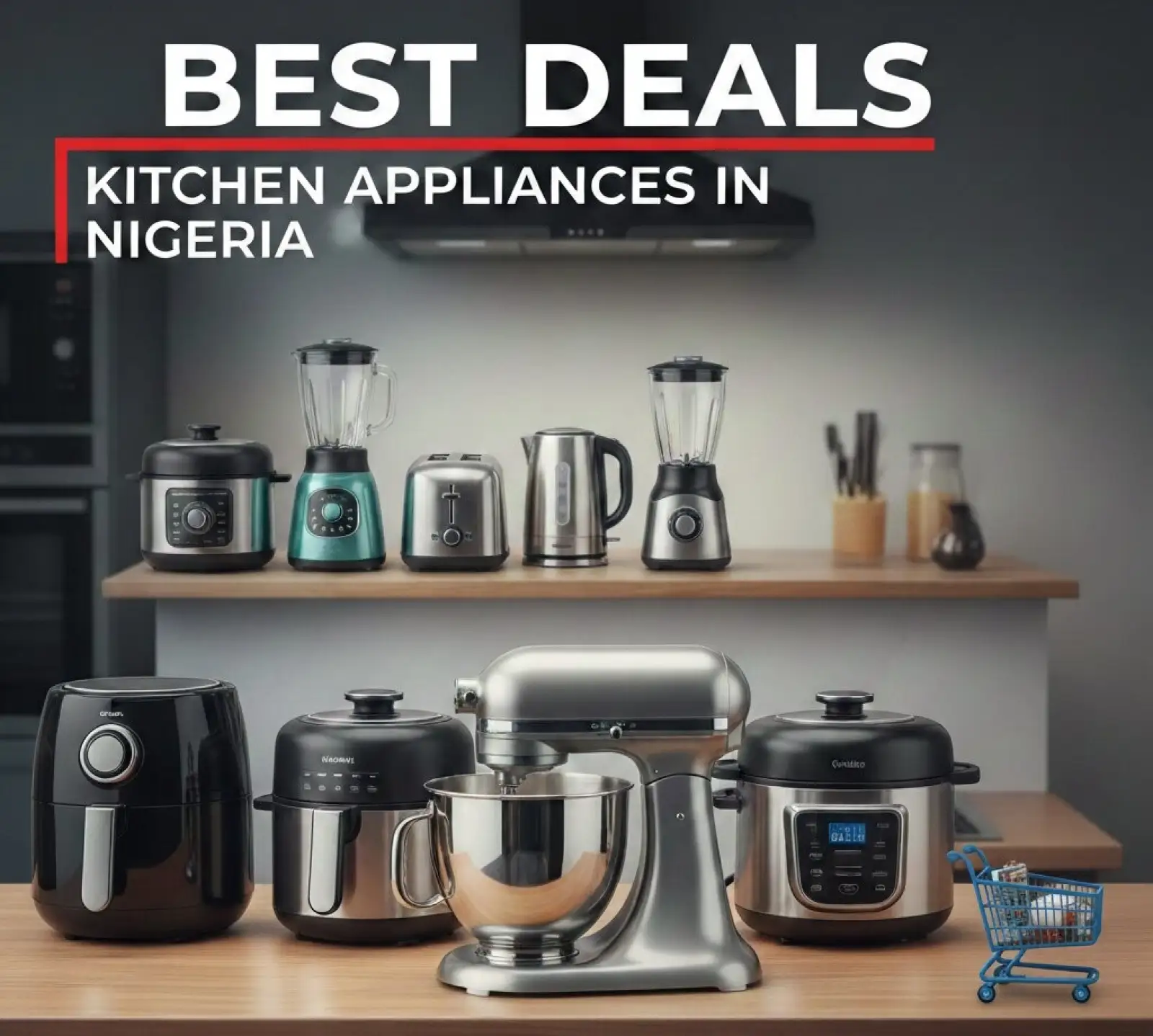
In the Nigerian landscape of 2026, setting up a modern kitchen is a strategic investment. It is a process that balances the immediate desire for aesthetic appeal with the practical, long-term necessity of energy efficiency and durability. With electricity tariffs continuing to climb and the reality of a fluctuating power grid, a "good deal" is no longer defined solely by the lowest price tag at the point of sale. Instead, true value is found in appliances that minimize running costs, withstand voltage instability, and offer a service life that spans decades rather than years.
At Marketplace Naija, we have analyzed the current market trends, pricing data, and consumer feedback to help you navigate the complex world of Nigerian retail. This guide provides a deep dive into the strategies you need to build a high-performance kitchen without overspending.
What You Should Pay for Quality
Navigating the Nigerian marketplace requires a firm grasp of current price benchmarks. Without these, it is impossible to distinguish a genuine clearance sale from an overpriced listing. While prices are subject to global supply chain shifts and local exchange rates, the following table outlines the standard market value for reliable, mid-range appliances that offer the best balance of performance and price.
|
Category |
Typical Price Range (₦) |
Recommended Brand Picks |
Key Value Features |
|
Air Fryers (5–10L) |
₦34,000 – ₦75,000 |
Silver Crest, Nine, Black + Decker |
Rapid air technology, digital presets |
|
Microwaves (20L) |
₦58,000 – ₦95,000 |
Hisense, Maxi, Royal |
Defrost modes, power level control |
|
Blenders (with Grinders) |
₦12,000 – ₦35,000 |
Binatone, Kenwood, Panasonic |
Copper motors, stainless steel blades |
|
Tabletop Gas Cookers |
₦17,000 – ₦30,000 |
Boscon, Skyrun, Binatone |
Auto-ignition, rust-resistant finish |
|
Standing Cookers (4-Burner) |
₦145,000 – ₦380,000 |
Aeon, Nexus, Haier Thermocool |
Gas ovens, cast iron pot stands |
|
Small Fridges (Single Door) |
₦140,000 – ₦240,000 |
Midea, Hisense, Royal |
Wide voltage tolerance, eco-mode |
|
Inverter Double-Door Fridges |
₦320,000 – ₦750,000 |
Samsung, Haier, LG, TCL |
Digital compressors, 10-year warranty |
How to Identify the Best Retail Outlets
Finding the best deals in Nigeria requires moving beyond simple price comparisons. You must understand the ecosystem of retail channels and how to leverage each one for maximum savings.
The Rise of Official Brand Stores
One of the most significant shifts in the Nigerian retail sector is the emergence of official digital storefronts operated directly by manufacturers. Buying from an official store (such as those managed by Samsung, Midea, or Binatone) offers several advantages:
-
Authenticity Guaranteed: In a market where counterfeit goods can sometimes slip through third-party cracks, buying direct provides peace of mind.
-
Exclusive Launch Discounts: Brands often offer "Direct-to-Consumer" promos to celebrate new product launches.
-
Full Warranty Support: Official stores provide stamped warranty cards that are honored at authorized service centers nationwide, ensuring your investment is protected.
The Power of the "Kitchen Starter Pack" (Bundle Deals)
For those moving into a new home or looking to replace multiple aging appliances, bundle deals are the most effective way to save. Many leading retailers group complementary items for example, a microwave, a 1.5L blender, and a cordless electric kettle into a single SKU. These bundles often result in a 15% to 30% reduction in cost compared to purchasing each unit separately. When evaluating these, ensure that all items in the bundle meet your quality standards and aren't just "filler" products.
Mastering the Sales Cycle
Retailers in Nigeria follow specific seasonal patterns. To get the best deals, time your major purchases around these events:
-
Mid-Year Clearances: Often occurring in June or July, these sales are designed to move inventory before the major end-of-year rush.
-
"Home Refresh" Cycles: Usually seen in the months following major holidays, these events focus specifically on kitchen and laundry appliances.
-
End-of-Series Discounts: When a manufacturer announces a 2027 model, the 2026 versions (which are often technically identical) will see significant price drops.
The "Inverter Factor"
In the Nigerian context, the "sticker price" of an appliance is only half the story. The real cost of ownership is determined by its energy consumption. As electricity tariffs rise, the "Inverter Factor" has become the single most important consideration for savvy shoppers.
How Inverter Technology Works
In a traditional refrigerator, the compressor is either "on" or "off." When the temperature inside rises, the compressor kicks in at 100% power until it cools down, then shuts off completely. This constant starting and stopping consumes massive amounts of electricity and puts strain on the motor.
Inverter compressors, found in premium and mid-range models from brands like Samsung, LG, and Midea, operate differently. They never truly shut off; instead, they slow down or speed up based on the cooling demand. This results in:
-
Energy Savings: Reductions of up to 40% in monthly electricity bills.
-
Quieter Operation: No loud "clunk" as the compressor starts.
-
Longer Lifespan: Less wear and tear on the internal components.
Low Voltage Start (LVS) and Wide Voltage Support
Given the instability of the national grid, an appliance that cannot handle voltage drops is a liability. Haier Thermocool and Hisense have pioneered "Low Voltage Start" technology in Nigeria. This allows refrigerators and air conditioners to start and run safely even when the voltage drops as low as 135V–160V. Without this feature, your compressor may struggle to start during "brownouts," leading to overheating and eventual motor failure.
Localized Innovation
Nigerian cuisine places unique demands on kitchen hardware. Traditional methods for preparing staples like pounded yam, amala, and fufu are labor-intensive and time-consuming. In response, brands like Syinix, Century, and Royal have introduced specialized "Swallow Makers" or automatic yam pounders.
What to Look for in a Swallow Maker
When shopping for these units (which typically range from ₦70,000 to ₦130,000), focus on the following:
-
Motor Torque: Pounding yam requires high torque, not just high speed. Ensure the motor is rated for heavy-duty use.
-
Bowl Capacity: For a family of four or more, a 2L to 3L capacity is essential.
-
Ease of Cleaning: Since swallow can be very sticky, look for models with detachable blades and non-stick or high-grade stainless steel bowls.
Automating these tasks not only saves time but also reduces the physical strain of traditional preparation, making these appliances one of the most popular "deals" for modern Nigerian households.
Maintenance and Security
A deal is only good if the product lasts. In Nigeria's humid climate and volatile power environment, maintenance is non-negotiable.
The Necessity of Surge Protectors and Stabilizers
Never plug a high-value appliance directly into a wall socket. Even "inverter" models with built-in protection have limits.
-
Fridge Guards: These are inexpensive (₦5,000–₦12,000) and will disconnect the power if it goes too high or too low, waiting for the voltage to stabilize before reconnecting.
-
Servo Stabilizers: For standing cookers with electric ovens or large side-by-side refrigerators, a dedicated 2kVA to 5kVA servo-motor stabilizer is the gold standard for protection.
Warranty and After-Sales Support
Before finalizing a purchase, verify the location of the nearest authorized service center. Brands like Binatone, Scanfrost, and Haier Thermocool have extensive service networks across Lagos, Abuja, Port Harcourt, and Kano. Buying a brand with no local presence means that if a small part breaks, the entire appliance might become useless.
The "Last Generation" Strategy
If you want premium features on a budget, ask for "Previous Year" models. Manufacturers often update their lineup annually, but the changes are frequently cosmetic (e.g., a new door finish or a redesigned control knob). The cooling technology and internal parts often remain the same for several years. By purchasing the 2025 model in 2026, you can often save 20% or more while still getting a brand-new, high-performance unit.
Sustainable Buying Checklist
To ensure you are getting a genuine deal, use this checklist before you pay:
-
Is it an Inverter? (Essential for fridges/ACs to save on electricity).
-
Does it have LVS? (Critical for power stability).
-
Is there a stamped warranty? (Minimum 1 year).
-
Are there local service centers? (Check for your specific city).
-
Is this a bundle opportunity? (Check if adding a blender or toaster lowers the total price).
-
Have you checked the "Official Store"? (To verify the base price).
The Nigerian kitchen of 2026 is defined by efficiency. While the initial investment for high-quality Inverter technology and LVS-equipped appliances may be higher, the savings on monthly bills and the avoidance of frequent repairs make them the only true "best deals" in the long run. By combining strategic timing, bundle purchases, and localized tech like swallow makers, you can build a professional-grade kitchen that serves your family for years to come.