Solar Panel Cost in Nigeria 2026: What to Know Before Installing Solar
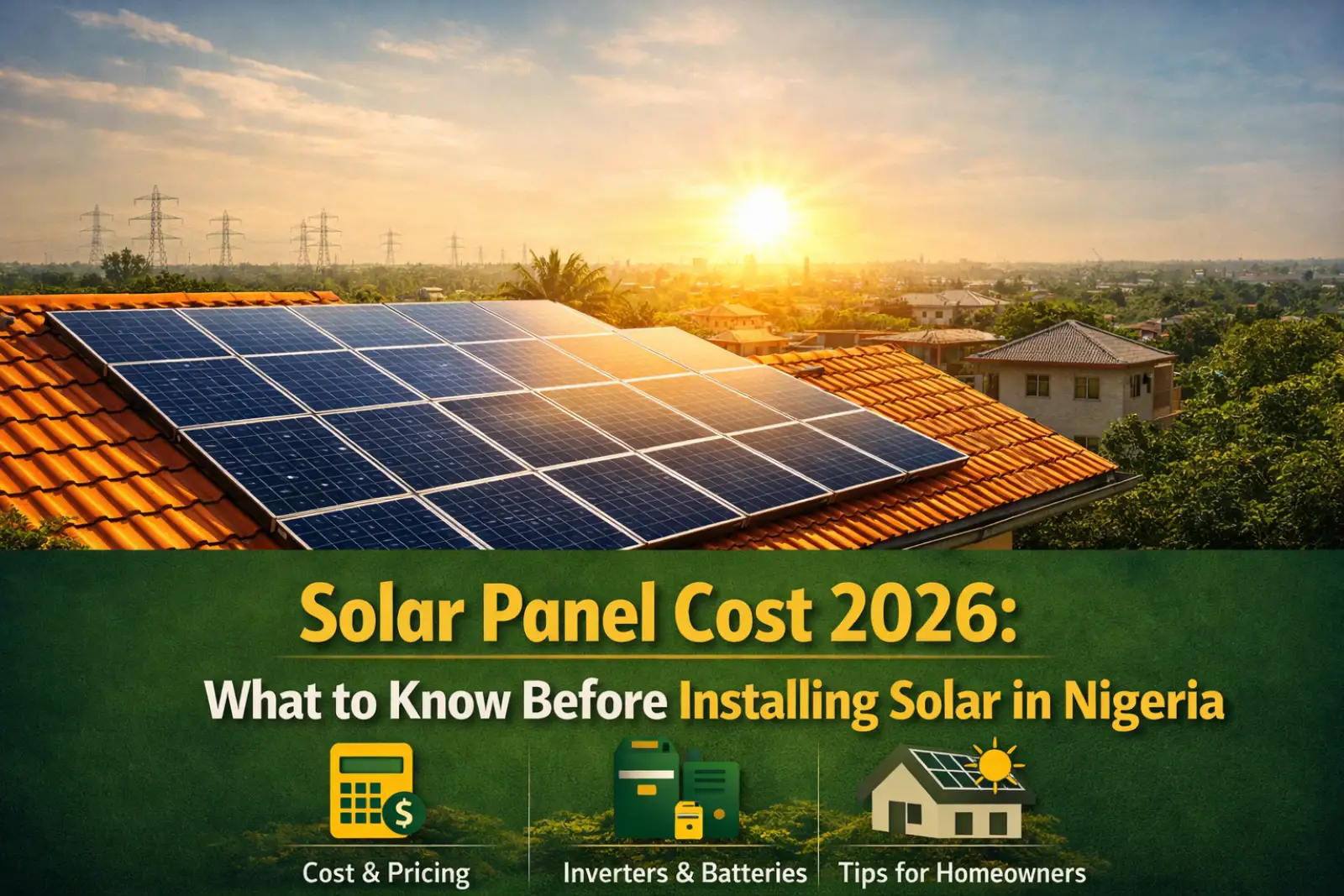
As electricity tariffs keep rising and grid reliability remains inconsistent, more Nigerians are turning to solar power as a long-term solution. But before you invest, it’s important to understand the real cost of solar panels in Nigeria and what factors affect your total setup.
This guide breaks it down in simple terms so you can make a smart decision before installing solar in 2026.
How Much Do Solar Panels Cost in Nigeria (2026)?
The cost of installing solar in Nigeria depends on your energy needs, equipment quality, and installation complexity.
Estimated Price Ranges
- Small setup (1–2kVA): ₦800,000 – ₦1.5 million
- Medium home (3–5kVA): ₦1.8 million – ₦4 million
- Large home/business (5kVA and above): ₦4 million – ₦10 million+
These prices usually include:
- Solar panels
- Inverter
- Batteries
- Installation
What Determines the Cost of Solar Installation?
1. Your Power Consumption
The more appliances you want to run (ACs, freezers, pumping machines), the bigger—and more expensive—your system will be.
2. Battery Type and Capacity
Solar batteries are one of the most expensive components.
- Lithium batteries → more expensive but last longer
- Tubular/lead-acid batteries → cheaper but shorter lifespan
3. Inverter Size
A higher kVA inverter supports more load but increases your cost.
4. Panel Quality
Premium solar panels cost more but produce more power and last longer (20–25 years).
5. Installation Complexity
Roof type, wiring distance, and structure can affect labor costs.
Things to Know Before Installing Solar
1. Know Your Energy Needs First
Don’t guess. List your appliances and calculate total wattage. This prevents overspending or under-powering your system.
2. Solar Is Not Cheap Upfront
Solar is a long-term investment, not a quick cheap fix.
But:
- You reduce generator fuel costs
- You avoid rising electricity tariffs
- You gain energy independence
3. Battery Replacement Is Inevitable
- Lead-acid batteries: last 2–4 years
- Lithium batteries: last 7–10 years
Factor this into your long-term cost.
4. Not All Installers Are Reliable
The solar market in Nigeria is growing fast, but not all installers are professionals.
Before choosing an installer:
- Check reviews
- Ask for past projects
- Request warranty details
5. You May Still Need NEPA or Generator Backup
Solar systems are often designed as:
- Hybrid systems (solar + NEPA + generator)
This ensures power during long cloudy periods or high usage.
6. Roof Space Matters
You need enough roof space for panels. A typical home may require:
- 6–20 panels depending on system size
7. Government Policies & Incentives (Limited but Growing)
Nigeria is gradually supporting renewable energy, but incentives are still developing. However, solar remains a smart hedge against unstable power supply.
Is Solar Worth It in Nigeria?
For most households and businesses, the answer is YES if done correctly.
Benefits:
- Lower fuel expenses
- Reduced reliance on grid power
- Quiet and clean energy
- Long-term savings
Downsides:
- High upfront cost
- Battery replacement cost
- Requires proper maintenance
How to Get the Best Solar Deal in Nigeria
- Compare multiple quotes before deciding
- Avoid extremely cheap offers (often low quality)
- Buy from trusted sellers
- Ensure you get a warranty on panels, inverter, and batteries
You can explore verified solar products and installers directly on Marketplace Naija to compare options and pricing.
Final Thoughts
Switching to solar in Nigeria is one of the smartest energy decisions you can make in 2026 but only if you understand the full cost and plan properly.
Take your time to:
- Assess your power needs
- Choose quality components
- Work with trusted installers
That way, your solar investment will serve you reliably for years.