
Solar Inverter Prices in Nigeria 2026: Complete Guide, Market Analysis, Buying Tips & Full Cost Breakdown
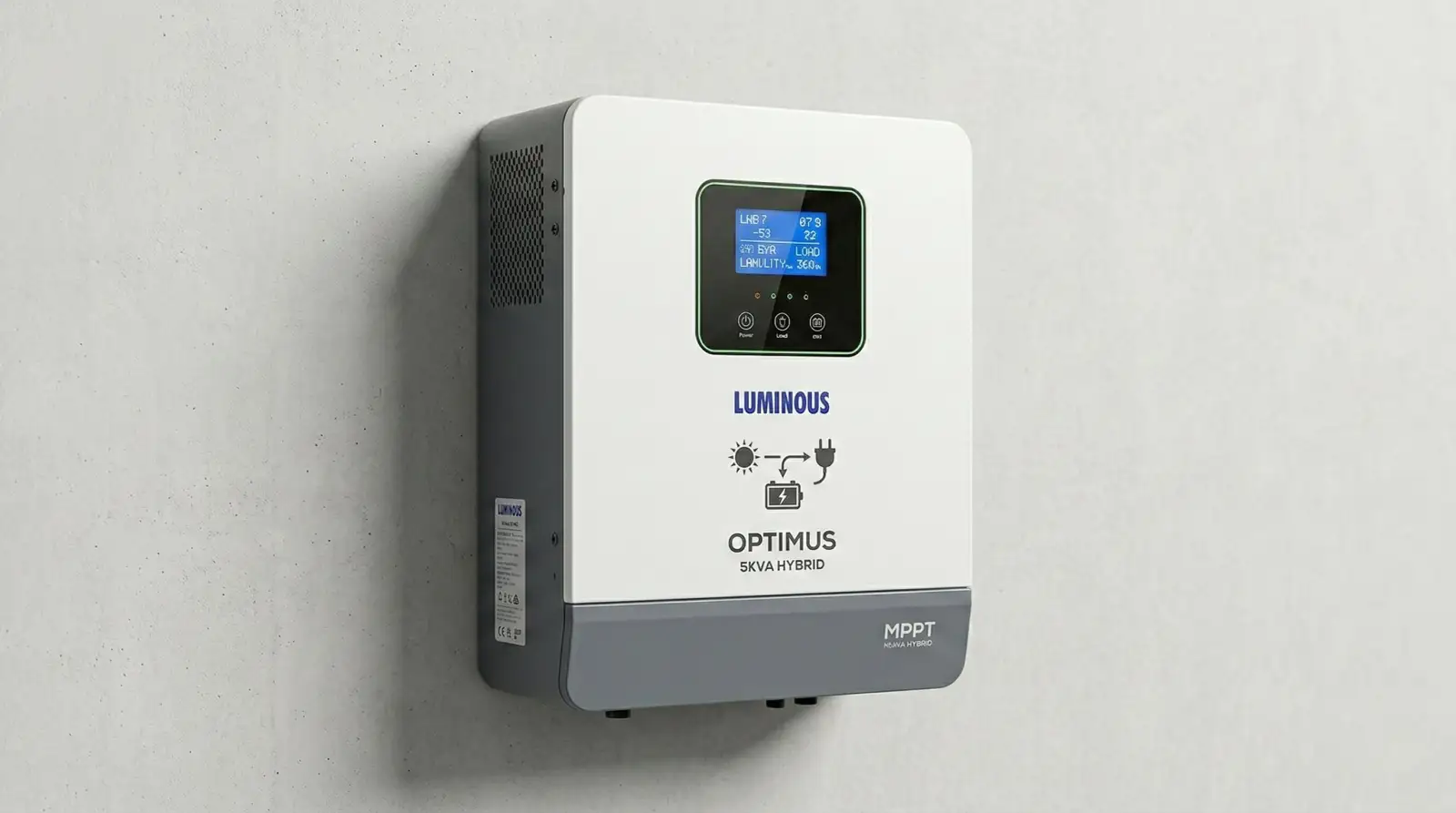
In 2026, the question for most Nigerian households and businesses is no longer if they should get a solar system, but how much it will cost to leave the grid behind. With the national grid experiencing frequent collapses and diesel prices remaining prohibitively high following the total removal of fuel subsidies, solar inverters have become the heartbeat of modern Nigerian infrastructure.
The market has shifted significantly. In the 12 months leading up to June 2025, Nigeria imported a record 1,721 MW of solar panels. As we enter the second quarter of 2026, the renewable energy sector is growing at a staggering 25.58% CAGR, aiming for a total capacity of over 14 GW by 2031.
Understanding the Solar Inverter Landscape in 2026
An inverter is the "brain" of your power system. It converts the Direct Current (DC) stored in your batteries or generated by your panels into the Alternating Current (AC) used by your appliances.
Common Types in the Nigerian Market:
-
Hybrid/All-in-One Solar Inverters (The Gold Standard): These are the most popular units in 2026. They feature built-in MPPT (Maximum Power Point Tracking) charge controllers and AC chargers. They can intelligently switch between solar, battery, and grid power.
-
Basic Power Inverters: These lack built-in solar chargers. They are essentially battery backups that require an external charge controller if you want to add panels.
-
Off-Grid Inverters: Designed for locations with zero grid access (rural areas or remote farms).
-
Grid-Tie Inverters: These feed excess power back into the grid. While common in Europe, they are still a niche in Nigeria due to the slow rollout of net-metering by DisCos.
Pro Tip: In 2026, Pure Sine Wave is non-negotiable. Modern electronicsespecially Inverter ACs, 4K TVs, and PlayStation 5/6 consolescan be damaged by the "Modified Sine Wave" output found in older, cheaper units.
Current Solar Inverter Prices in Nigeria (Early 2026)
Prices in the Nigerian market are primarily driven by the Naira/USD exchange rate, which has hovered around 1,450–1,480/USD in early 2026. While global component costs have dropped, local inflation keeps prices dynamic.
Price Breakdown by Capacity
Note: Prices represent standalone hybrid units from popular brands like Felicity, Luminous, and PowMr.
|
Capacity |
Price Range (₦) |
Typical Use Case |
|
1kVA – 1.5kVA |
₦120,000 – ₦200,000 |
1-bedroom flat: Lights, fans, TV, and laptop charging. |
|
2kVA – 3.5kVA |
₦160,000 – ₦550,000 |
2-3 bedroom home: Fridge, blender, router, and TV. |
|
5kVA |
₦420,000 – ₦850,000 |
Full home: All lighting, fridge, freezer, and 1 Inverter AC. |
|
7.5kVA – 10kVA |
₦600,000 – ₦1,500,000+ |
Large villas/SMEs: Multiple ACs, water pumps, and offices. |
|
15kVA – 20kVA+ |
₦2,000,000 – ₦10,000,000+ |
Mini-grids, factories, and large commercial plazas. |
2026 Brand-Specific Spotlights:
-
Luminous (Eco Volt/Zelio): 1.5kVA units are retailing between ₦160k and ₦190k.
-
Felicity Solar: Their popular 5kVA Hybrid Inverters (IVEM series) are priced at ₦500k – ₦620k depending on the specific model and MPPT rating.
-
PowMr: A rising favorite for DIY enthusiasts and budget-conscious buyers. Their 3.2kVA 24V Hybrid is often found on sale for roughly ₦290,000.
-
Premium Brands (Victron/Deye): These remain high-end. A 5kVA Victron MultiPlus-II can exceed ₦1.2M, but offers unmatched durability and 5+ year warranties.
The Full System Cost: Bundles and Installation
Buying the inverter is only one part of the equation. Most Nigerians prefer "Solar Kits" to ensure component compatibility.
-
Entry-Level (1.5kVA Kit): Includes inverter, 2x 200Ah tubular batteries, and 2 panels. Total: ₦650,000 – ₦750,000.
-
Medium Home (3.5kVA Kit): Includes inverter, 4x 200Ah batteries, and 6 panels. Total: ₦1.1M – ₦1.4M.
-
Standard Home (5kVA Kit): Includes inverter, 10kWh Lithium battery, and 10 panels. Total: ₦1.7M – ₦2.2M.
Installation Fees: Professional installation is critical. For small systems (1-2.5kVA), expect to pay ₦30,000 – ₦70,000. For large home or business setups (10kVA+), installation and trunking can cost ₦150,000 – ₦350,000+.
Market Analysis: Why 2026 is Different
Three major factors are currently stabilizing the market:
-
Lithium Dominance: In 2026, Lithium-ion (LiFePO4) has officially overtaken Lead-Acid/Tubular batteries in new installations. Although the upfront cost is 2x higher, the 10-year lifespan makes the "cost-per-cycle" significantly lower than traditional batteries.
-
Zero Import Duties: The Nigerian government has maintained the 0% import duty and VAT exemption on solar components (Inverters, Panels, and specialized batteries) under the 2026 Tax Act to accelerate the energy transition.
-
Local Inventory: Brands like PowMr and Felicity have established large warehouses in Lagos, Abuja, and Onitsha, reducing the "import-on-demand" wait times and local shipping costs. Many vendors also use platforms like Marketplace Naija to sell online and reach customers nationwide more efficiently.
Government Policy & The ₦100 Billion Push
The Federal Government’s commitment to solar has reached record levels. The National Public Sector Solarisation Initiative (NPSSI), launched with an initial ₦100 billion funding pool, is currently deploying solar mini-grids across:
-
Federal Universities and Teaching Hospitals.
-
Security Agencies (DSS, EFCC, Police Academies).
-
The State House (Aso Rock), which saw a ₦7 billion allocation for its own dedicated solar mini-grid in the 2026 budget.
This government-led demand has helped build a more robust service industry, with thousands of certified solar technicians now available across the 36 states.
Buying Tips for 2026: Avoiding "Sachet" Inverters
The market is unfortunately flooded with "sachet" inverters; unbranded, low-quality units that fail under heavy Nigerian heat. To protect your investment:
-
Size for the "In-Rush" Current: If you plan to power a fridge or AC, your inverter must handle the "starting surge." A 3.5kVA unit might struggle with an old non-inverter fridge, while a high-quality 3.5kVA Hybrid with a "2x surge rating" will handle it easily.
-
Verify the Warranty: In 2026, standard brands offer 1–2 years. Premium brands like Victron or Huawei offer up to 5 years. If a seller offers "no warranty," walk away.
-
Prioritize MPPT: PWM (Pulse Width Modulation) controllers are cheaper but 20% less efficient. In Nigeria’s tropical climate, MPPT is essential to get the most out of your panels during the rainy season.
-
Buy from Verified Sources: Stick to authorized dealers, or verified "Diamond" sellers on Jiji and Jumia. Platforms like GVE Projects and Solarlify have also become trusted specialists for high-end installs.
Conclusion: Is Solar Worth It in 2026?
The Return on Investment (ROI) for a solar system in Nigeria is now approximately 2 to 4 years. When compared to the daily cost of petrol/diesel and the loss of productivity during grid outages, a solar inverter is no longer an expense, it is an asset.
Whether you are starting with a small ₦150,000 setup for your apartment or a multi-million Naira commercial system, the 2026 market offers better technology and more supportive policies than ever before.
Ready to switch? Always consult with a certified engineer to perform an energy audit of your home before making a purchase.