
How to Treat Acne Naturally: The Ultimate Nigerian Guide
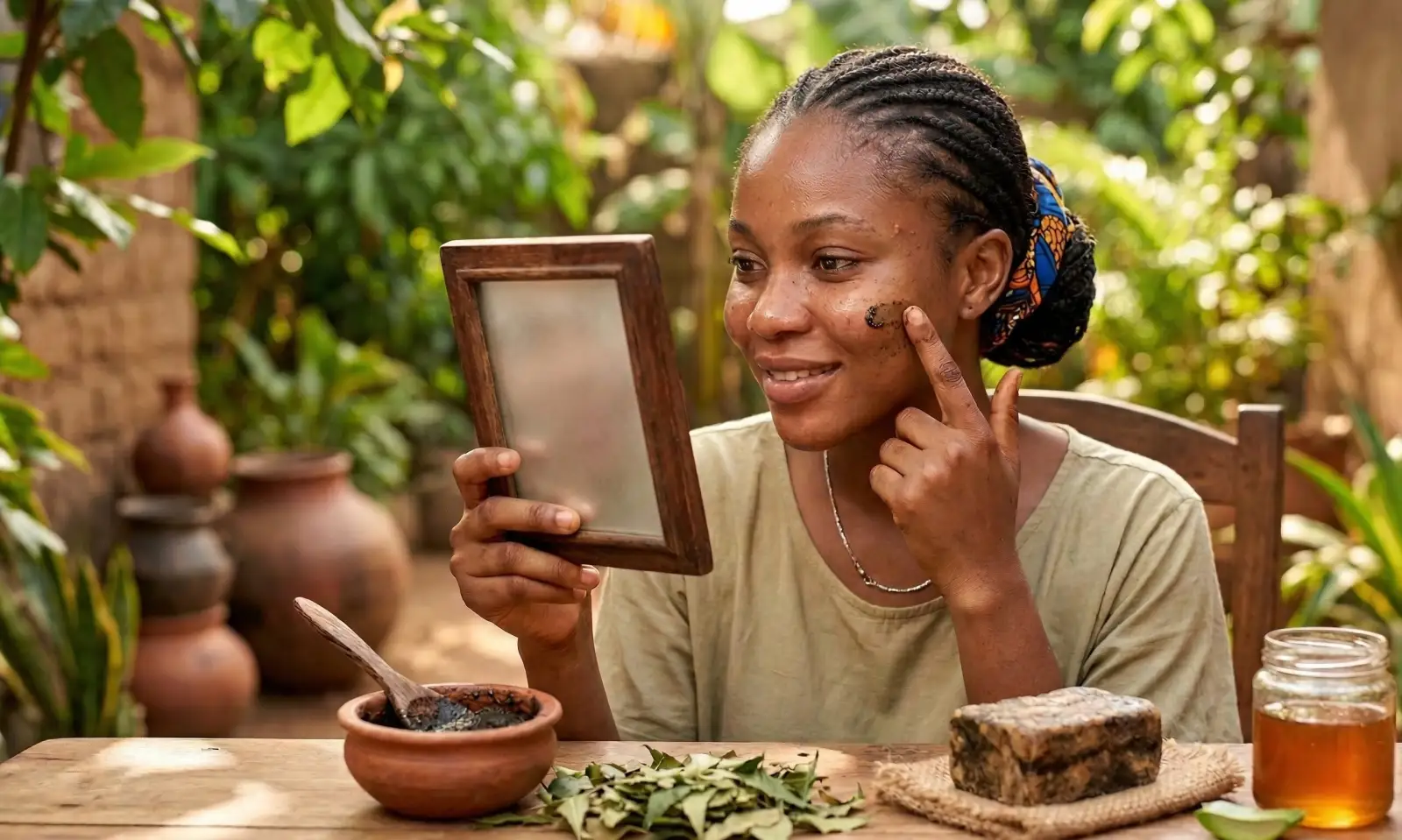
Acne is more than just a surface-level skin issue; for many Nigerians, it is a persistent challenge that affects confidence, social interaction, and overall well-being. Whether navigating the humid streets of Lagos, the dusty Harmattan in Kano, or the cool highlands of Jos, environmental factors in Nigeria play a significant role in how the skin behaves.
Skincare is not a one-size-fits-all solution, especially given the unique environmental challenges found across West Africa. Nigeria's rich biodiversity offers a treasure trove of natural ingredients that have been used for generations to achieve a healthy "Naija glow." In this comprehensive guide, the discussion delves deep into the science of skin health within the Nigerian context and explores the most effective ways regarding how to treat acne naturally using remedies found right here at home.
Understanding Acne: Why is it So Common in Nigeria?
Acne vulgaris is a chronic inflammatory condition affecting the hair follicles and oil glands. It manifests as pimples, blackheads, whiteheads, and in severe cases, painful cysts or permanent scarring. While it is a global issue, certain factors make it particularly prevalent in Nigeria, leading many to search for how to get rid of acne without relying on harsh chemicals.
The Statistics
Recent studies highlight a significant prevalence of acne among Nigerian adolescents and young adults. In regions like Jos, clinical examinations have indicated prevalence rates as high as 55% among school-aged teens. National hospital-based research reports even wider variations, with some urban areas showing rates up to 80%. Interestingly, females are often more affected in their early years, while severity tends to increase in males or those with a strong family history.
The Triggers
In Nigeria, several unique factors contribute to breakouts:
-
Climate: High humidity leads to increased sweat and sebum (oil) production, which can clog pores. In coastal cities like Lagos or Port Harcourt, this "sticky" environment is a prime breeding ground for bacteria.
-
Dust and Pollution: Harmattan dust and urban pollution can settle on the skin, causing irritation and blockages. This physical barrier prevents the skin from "breathing" and can lead to sudden, aggressive breakouts.
-
Dietary Habits: Traditional diets high in refined carbohydrates (like white bread, puff-puff, and sugary minerals/sodas) can spike insulin levels. This hormonal spike triggers a rush of oil production in the sebaceous glands.
-
Self-Treatment and "Mixes": About 59.7% of Nigerians turn to complementary and alternative medicine (CAM). While often effective, the lack of professional guidance can sometimes lead to the use of harsh "organic" mixes containing undisclosed steroids or bleaching agents that eventually damage the skin barrier.
Why Natural Treatments Are Preferred
With Nigeria’s incredible biodiversity, many people prefer home-based remedies using affordable, locally sourced ingredients. When looking for how to treat acne naturally, these solutions often focus on:
-
Reducing Inflammation: Calming the redness and swelling associated with "angry" pimples.
-
Antibacterial Action: Killing Propionibacterium acnes, the bacteria responsible for breakouts.
-
Oil Balancing: Regulating sebum without stripping the skin of its natural moisture.
For a curated selection of the best local and international skincare products that complement these natural methods, explore the Beauty and Personal Care section on Marketplace.ng.
8 Effective Natural Remedies Using Nigerian Ingredients
1. Neem (Dogonyaro) Leaves
Commonly found in many Nigerian backyards and markets, Neem is a powerhouse of antibacterial and anti-inflammatory properties. It has been used for centuries in traditional medicine to treat various skin infections and is a primary answer for those asking how to get rid of acne using local plants.
-
How to use: Boil fresh Neem leaves to create a potent tea for rinsing the face, or grind them into a paste to use as a 15-minute mask. It’s particularly effective for reducing the size of active breakouts and preventing new ones from forming.
2. Shea Butter (Ori)
Sourced primarily from Northern Nigeria, Shea Butter is a staple moisturizer. While it is sometimes feared as being too heavy, it contains stearic and oleic acids that mimic the skin's natural sebum, making it surprisingly non-comedogenic for many when used in moderation.
-
Pro Tip: During the dry Harmattan season, a tiny amount of Shea butter mixed with a drop of tea tree oil makes an excellent spot treatment for dry, acne-prone skin. It protects the skin barrier from the harsh, drying wind.
3. Aloe Vera
Whether grown in a garden or bought as a gel, Aloe Vera is nature's ultimate skin smoother. It contains natural salicylic acid, which helps unclog pores and gently exfoliates the skin surface, providing a clear path for how to treat acne at home.
-
How to use: Extract the fresh gel from a sliced leaf and apply it directly to the skin. It hydrates without being greasy, making it suitable for the intense Nigerian heat.
4. Raw Honey (Zuma)
Local Nigerian honey is rich in antioxidants and has natural hydrogen peroxide properties that kill bacteria. It is also a humectant, meaning it draws moisture into the skin without adding oil.
-
How to use: Dab a small amount of raw honey on a pimple overnight as a spot treatment. It’s a popular choice in Nigeria, used by nearly 30% of people seeking alternative ways for how to get rid of acne naturally.
5. African Black Soap (Ose Dudu)
Perhaps the most famous Nigerian export in skincare, African Black Soap (like the popular Dudu Osun) is made from plantain skins, cocoa pods, and palm oil. It contains antimicrobial saponins that deep-clean the pores.
-
Warning: It is highly effective at removing excess oil, but it can be drying. Always follow up with a light moisturizer from the Skincare Collection to ensure the skin doesn't overcompensate by producing more oil.
6. Turmeric (Atale Pupa)
A common spice in Nigerian kitchens, Turmeric contains curcumin, which fights inflammation and helps fade the dark spots (hyperpigmentation) that acne often leaves behind on melanin-rich skin.
-
How to use: Mix a teaspoon of turmeric with yogurt or honey for a brightening face mask. Caution is advised, as it can temporarily stain light surfaces or clothing.
7. Coconut Oil
Derived from the palms of Southern Nigeria, virgin coconut oil contains lauric acid, which has proven antimicrobial properties.
-
Note: Use this sparingly. While it kills bacteria, it can be comedogenic (pore-clogging) for those with very oily skin. It is best used as a makeup remover that is washed off immediately or for those with drier skin types.
8. Hibiscus (Zobo Leaves)
Beyond being a refreshing drink, Zobo leaves are rich in AHAs (Alpha Hydroxy Acids), antioxidants, and mucilage which helps with skin elasticity.
-
How to use: Use cooled, unsweetened Zobo tea as a natural toner to help firm the skin and even out the complexion after cleansing.
Dietary Tips for Clearer Skin (The "Naija" Way)
When considering how to treat acne naturally, internal health is just as important as external application.
-
Low-GI Foods: Swap white bread for boiled plantains or sweet potatoes. These are rich in Vitamins A and C, which help regulate oil production and promote skin healing.
-
Local Detox: Drinking Bitter Leaf or Scent Leaf juice (in moderation) can help detoxify the body, which many traditional practitioners believe reflects in clearer, more radiant skin.
-
Tomatoes: Rich in lycopene, tomatoes help fight cellular damage. Incorporate them more into stews or consume them fresh in salads.
-
Hydration: In the Nigerian climate, at least 8-10 glasses of water daily are necessary to flush out toxins. Dehydrated skin often looks dull and is more prone to irritation.
-
Limit Sugary Drinks: High-sugar sodas and processed "street" snacks are major triggers for hormonal acne. Swapping an afternoon soda for a cold glass of unsweetened Zobo is a healthier alternative for those wondering how to get rid of acne through lifestyle changes.
Lifestyle Factors and Precautions
To see real results when learning how to treat acne naturally, consistency and lifestyle changes are key.
-
Don't Over-Wash: Washing the face more than twice a day can strip the skin’s natural oils, causing it to produce more oil to compensate. A gentle morning and night routine is recommended.
-
Sun Protection: The Nigerian sun is intense and can darken acne scars (Post-Inflammatory Hyperpigmentation) quickly. Always use a non-comedogenic sunscreen to protect progress.
-
Manage Stress: High stress levels increase cortisol, which triggers oil glands. Whether through exercise, prayer, or meditation, finding time to de-stress is vital.
-
Touch-Free Zone: Picking or squeezing pimples should be avoided. This often pushes bacteria deeper into the skin and leads to permanent scarring.
-
Know When to See a Pro: If acne is cystic, painful, or causing deep scarring, consultation with a dermatologist is necessary. While learning how to treat acne naturally is beneficial for many, severe cases may require medical intervention.
Start the Journey Today
Achieving clear skin is a marathon, not a sprint. By combining these traditional Nigerian ingredients with a consistent routine, acne can be managed sustainably and naturally.
To upgrade a skincare kit with products that work for this skin type, visit Marketplace.ng to discover a wide range of authentic beauty products. From the best Skincare brands to local organic finds, the platform offers everything needed to glow with confidence.
Stay beautiful, stay Naija!