Car Registration Verification in Nigeria in 2026
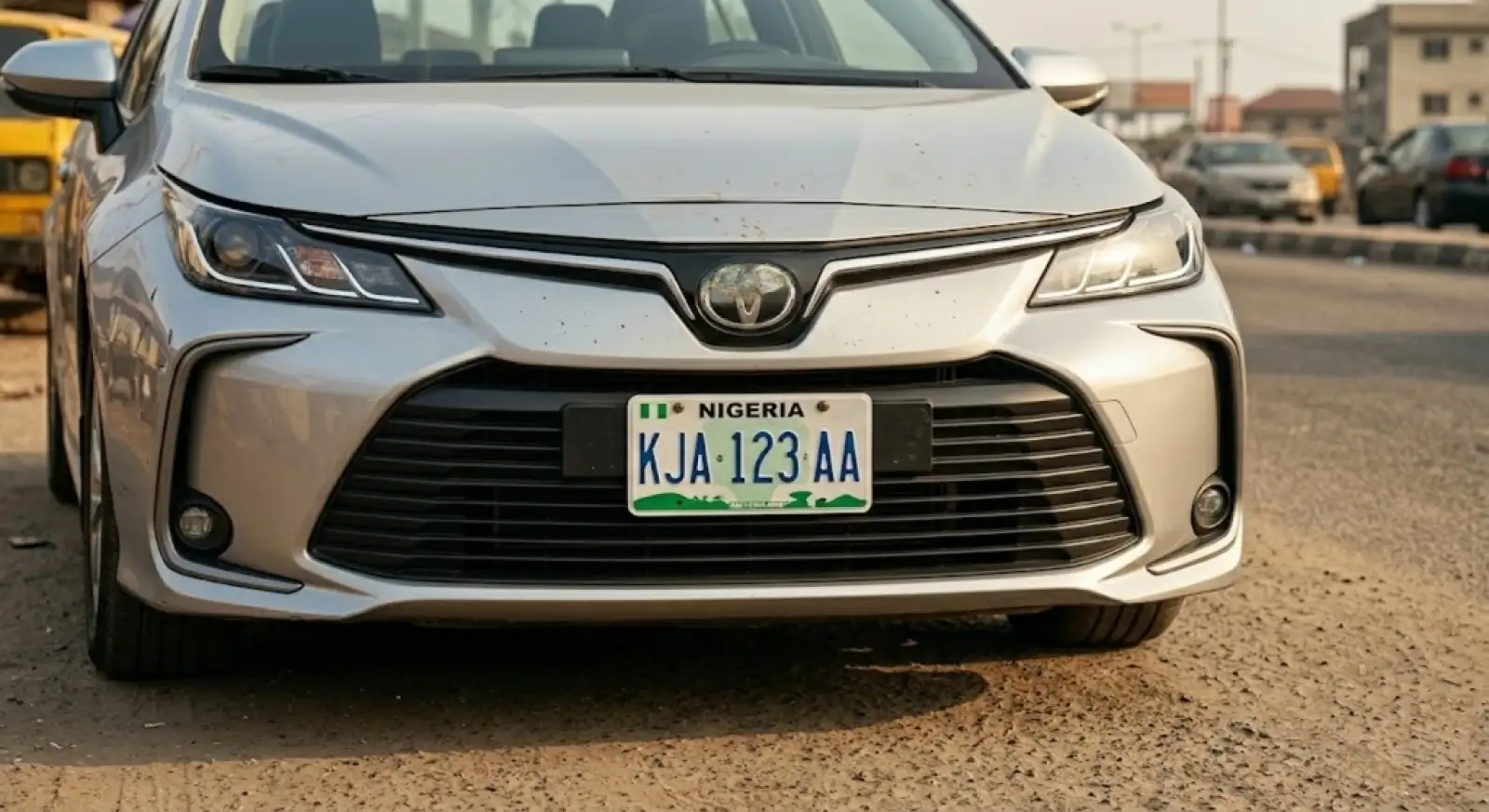
Buying a car in Nigeria is a dream for many, but without proper verification, that dream can quickly turn into a "wahala" nightmare. In 2026, the landscape of vehicle ownership in Nigeria has shifted. With the introduction of the National Vehicle Dealership Registration Framework and the mandatory Vehicle Recycling Fee, "sharp" deals are riskier than ever.
Whether you are eyeing a "clean tokunbo" from Cotonou or just trying to ensure your current ride won't get you detained at an FRSC checkpoint in Lagos or Abuja, this guide is your ultimate roadmap.
What Exactly is Car Registration Verification?
In simple Naija terms, verification is proving that your car is "legal" in the eyes of the government. It’s not just about having a piece of paper; it’s about ensuring your vehicle’s details—Plate Number, VIN (Chassis Number), Ownership, Customs Duty, and Insurance—are correctly synced across national databases.
Why Verification is Non-Negotiable in 2026
-
The Rise of Cloned Plates: Scammers often put a legitimate plate number on a stolen car. Only verification reveals the mismatch.
-
Customs Duty Scams: Many imported cars bypass full duty payments. If you buy one, Customs can impound it years later, even if you weren't the importer.
-
The 2026 Recycling Mandate: As of April 2026, every vehicle must pay a mandatory recycling fee at registration. If your car isn't verified, you might be hit with massive back-fees or penalties.
Why You Must Verify Before You Pay (The Risks)
Skipping verification is like jumping into the Lagos Lagoon without a life jacket. Here’s what you’re up against:
-
Hefty Fines & Impoundment: FRSC and VIO fines now range from ₦3,000 to over ₦50,000. If your papers are fake, your car goes straight to the "yard," and getting it back is a costly headache.
-
Criminal Liability: If you drive a car with cloned plates used in a crime, you are the first suspect.
-
Resale Value: In 2026, no smart buyer will touch a car that doesn't have a clean VREG History Report.
-
Insurance Failures: If you have an accident and your registration is invalid, your insurance provider will reject your claim faster than a "yellow bus" driver changes lanes.
Official Tools: How to Verify Like a Pro
Gone are the days of traveling to a physical office just to check a plate. You can now verify almost everything from your phone.
FRSC NVIS (National Vehicle Identification System)
This is the gold standard for checking Number Plates.
-
Portal: nvis.frsc.gov.ng
-
How to use: Select "Verify Number Plate," enter the plate (e.g., ABC123AP), and click submit.
-
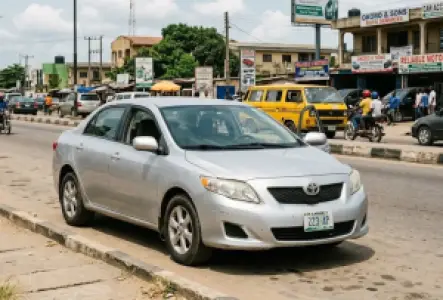
The Result: It should show the vehicle make and model. If you’re checking a Toyota Corolla and the system says "Mack Truck," run!
VREG (National Vehicle Registry) – The "Everything" Portal
VREG is now the central hub for all vehicle data in Nigeria.
-
Portal: vreg.gov.ng
-
USSD Code: Dial *7031# (The fastest way to check VIN and Duty status).
-
What it tracks: Accident history, customs duty clearance, and lien (loan) status.
-
Helpline: 020 18880 248.
NIID (Nigerian Insurance Industry Database)
If it’s not on NIID, your insurance is just a piece of paper.
-
Portal: askniid.org
-
USSD Code: Dial *565*11#.
-
Cost: Verification is free; the peace of mind is priceless.
Step-by-Step Guide: Buying a Used Car in 2026
If you are at a dealership or meeting a private seller, follow this 2026 checklist before transferring a single Naira. If you are still looking for the perfect ride, you can browse through a wide range of vehicles and cars on Marketplace Naija.
-
Request All Original Documents: You need the Proof of Ownership, Vehicle License, Insurance Certificate, and Roadworthiness Certificate.
-
Locate the VIN: Check the dashboard, the driver-side door jamb, or the engine bay. Ensure the VIN on the car matches the VIN on the papers.
-
Run the *7031# Check: Instantly confirm if the VIN is registered on VREG and if Customs Duty was fully paid.
-
Verify the Plate on NVIS: Ensure the plate is legally assigned to that specific car.
-
Check for the "Recycling Tag": Under the new 2026 rules, look for the digital or physical proof that the mandatory recycling fee has been settled.
-
Physical Inspection: Does the plate look "home-made"? Official Nigerian plates have specific fonts and reflective security features.
Costs and Renewals in 2026
Vehicle registration costs have seen a slight increase due to the new digital framework and inflation. Here is a rough estimate of what to expect in 2026:
|
Item |
Estimated Cost (2026) |
|
New Registration (Full Package) |
₦115,000 – ₦145,000 |
|
Annual License Renewal (Saloon) |
₦40,000 – ₦45,000 |
|
Annual License Renewal (SUV/Jeep) |
₦45,000 – ₦50,000 |
|
Change of Ownership |
₦130,000 – ₦150,000 |
|
Customized Plate |
₦130,000+ |
Note: Prices vary slightly by state (e.g., Lagos vs. Zamfara) and engine capacity.
The "Tokunbo" Warning: Customs & VehCAP
In 2026, the VehCAP (Vehicle Conformity Assessment Programme) is in full swing. This means every imported used car must meet specific safety and emission standards.
Pro-Tip: If you are buying a "tokunbo" car, use the VREG portal to verify the Pre-Export Certification. This proves the car isn't a "salvage" or "end-of-life" vehicle being dumped in Nigeria from overseas.
Common Scams to Avoid
-
The "Agent" Trap: Many people pay "agents" at local licensing offices who give them fake, printed documents. Always verify the results on the official portals listed above after the agent hands you the papers.
-
Mismatched VINs: Scammers often take the engine of one car and put it in another. Ensure the VIN stamped on the chassis is what appears on the VREG report.
-
The "Discount" Duty: If a seller tells you the duty is low because they have "connections" at the port, be careful. If VREG shows "Pending" or "Incomplete" for duty, you will be the one paying the balance later.
Drive With Confidence
Car verification in Nigeria isn't just about avoiding a ₦10,000 fine from an FRSC officer on the Third Mainland Bridge; it’s about protecting your investment and your safety. In a year like 2026, where every car is tracked digitally, being "smart" means being compliant.
If you're ready to start your journey with a legitimate vehicle, check out the latest listings for cars on Marketplace Naija.
Before you buy that "sharp" ride, spend 5 minutes on NVIS and VREG. It could save you millions in regret.
Found this helpful? Share this post with a friend who's looking to buy a car! Stay safe on Naija roads.
Sources: Federal Road Safety Corps (FRSC), National Vehicle Registry (VREG), Nigerian Insurers Association (NIA).